
Temporary strings and permanent lights serve different plans
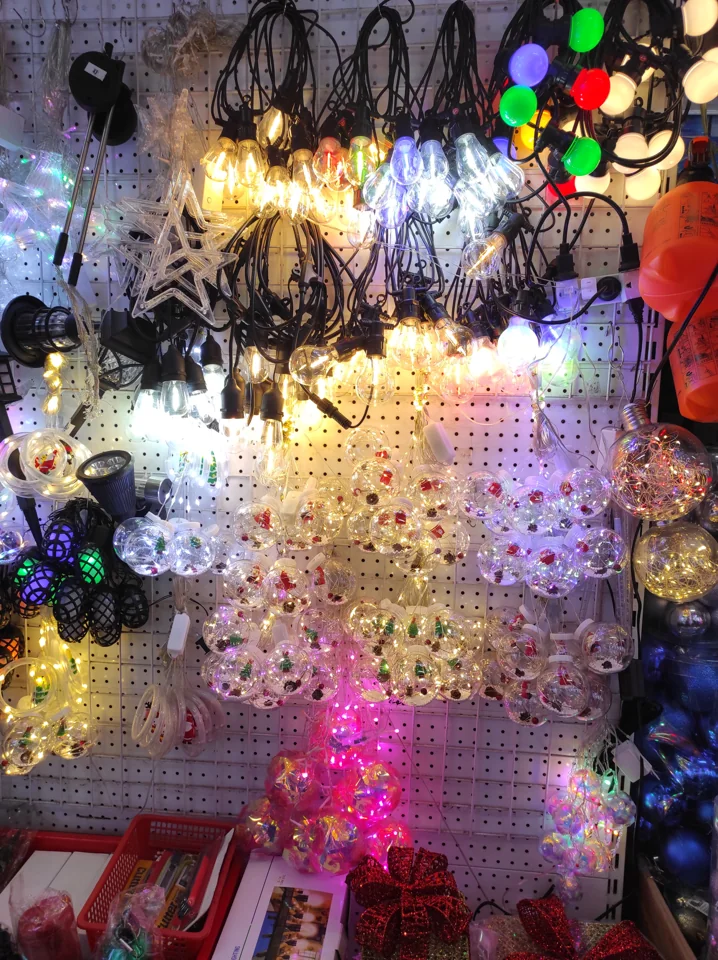
Plug-in mini lights, larger decorative lamps, icicle strings and net lights are seasonal products. Their label determines where they can be used and how they may connect. Permanent roofline systems use equipment and mounting designed as a coordinated installation. Leaving a temporary light string up year-round does not turn it into a permanent system.
For an installed architectural system with year-round controls, explore permanent outdoor lighting. This guide covers seasonal electrical planning; decorating, roof access and hanging services need their own agreed scope.
What to look for before the lights go up
With the light set unplugged, look for visible cord damage, cracked sockets, crushed sections, loose parts or heat discoloration. Do not reuse a damaged set or hide damage with tape. Inspect decorations at ground level before placement; avoid handling anything wet or damaged while it is energized.
A dark section does not identify the cause by itself. Some products allow specified lamp or fuse replacement; others are sealed. Follow the exact instructions rather than substituting a larger fuse, bypassing a part or cutting into the cord.
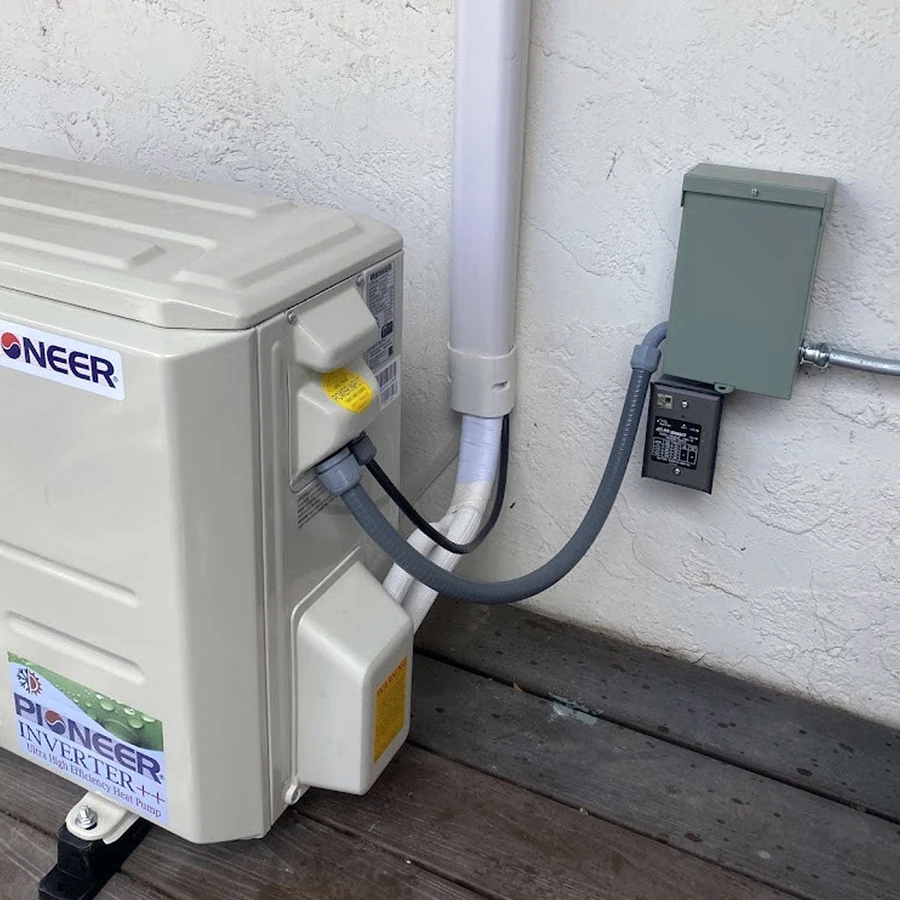
Outdoor ratings apply to the entire connection
The lights, extension cord, timer and connection arrangement must be suitable for their actual exposure and load. An indoor string does not become outdoor-rated beneath an improvised cover. A covered porch can still receive moisture, and irrigation can reach equipment even when it is not raining.
Use an appropriate outdoor receptacle arrangement with GFCI protection. For new power, Guardian reviews the receptacle, cover, circuit and location together. Keep connections away from standing water and follow the products’ instructions for outdoor use. Do not approach flooded electrical equipment.
How many strings can be connected?
Use the maximum connection and electrical load stated for the exact set. There is no single safe number that covers every LED, incandescent or mixed display. LED strings often use less power than comparable incandescent sets, but the product label—not the bulb’s appearance—governs the connection limit.
A splitter adds connection points without increasing circuit capacity. Include all equipment sharing the supply, such as patio heaters or other decorations, when discussing your plan. An extension cord must suit the connected load and intended use; avoid pinching it through doors or windows, routing it under rugs or leaving it where people can trip.

Lights trip after rain, blink or lose power
A GFCI trip can be a protective response to leakage involving moisture, a damaged string or another electrical fault. A breaker trip can involve excessive demand or a fault. Repeatedly resetting either one is not a repair, and bypassing protection to keep a display lit is unsafe.
Stop using the affected setup and arrange assessment if the cause is unclear or the trip recurs. Tell us whether the whole display or only one section stopped, what else lost power and whether rain or irrigation was involved. Stay clear of hot, sparking or damaged equipment. For smoke or fire, leave the area and call 911 from a safe location.
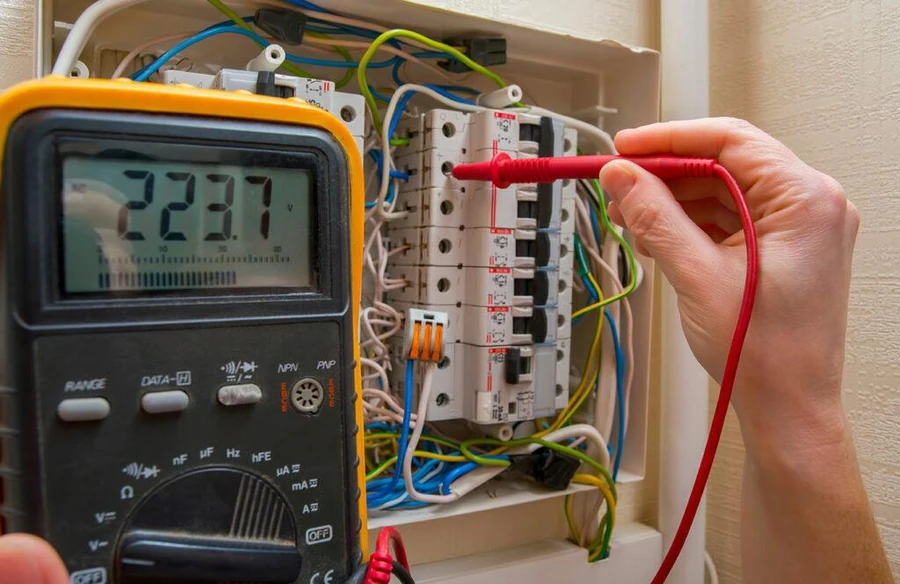
Make next season easier to plug in
If long cords cross the walkway or every display depends on one inconvenient outlet, an appropriately located new receptacle may be worth planning. A new circuit is a separate decision based on demand and the existing supply. Timer controls can help with schedules, but must be rated for the lighting and location.
Turn decorations off when leaving home or going to sleep. Store the set according to its instructions after the season and inspect it again before reuse. Guardian can assess outdoor power, GFCI protection and repeated electrical faults throughout Horry and Georgetown counties.
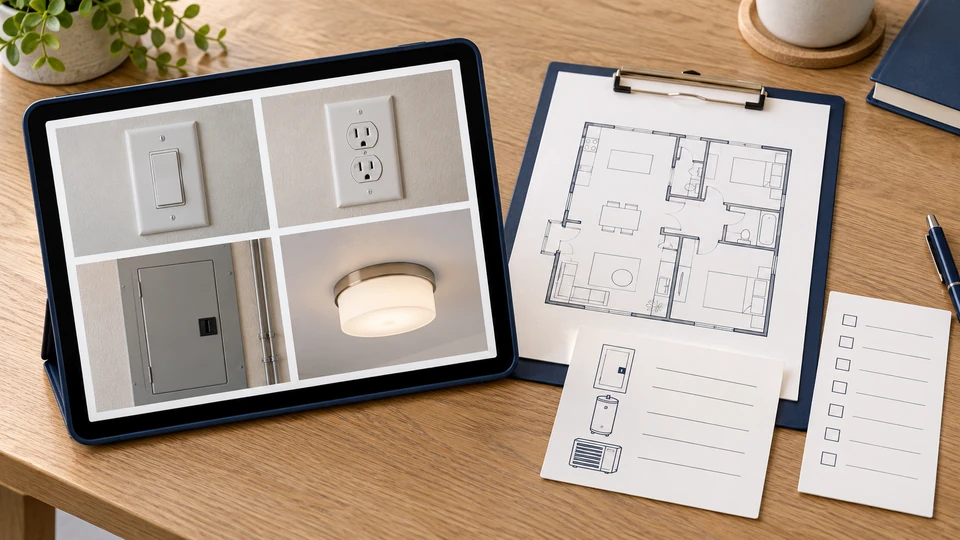
Bring these details to the conversation
A ground-level photo of the planned area, product labels, number of sets and existing outlet locations help define the work. Include any trip pattern and other equipment using the circuit. Project quotes are free; diagnostic or service-call charges are explained before booking.
Safety references: ESFI holiday safety tips and CPSC extension-cord safety, plus CPSC outdoor holiday-lighting guidance. Product-specific instructions remain essential for your actual equipment.

Plan your holiday electrical supply
Plan the power before buying more lights.
Keep the manufacturer’s connection limits and indoor or outdoor ratings with the display plan. A GFCI, a device that helps reduce electric-shock risk, is not a substitute for dry, undamaged connections. Stop using a display that trips protection or shows heat damage and arrange assessment.