207 Atlas Drive, Myrtle Beach, SC 29579
Calls answered 24/7
Adding an EV charger, electric appliances or a workshop? Understand what a 200-amp service upgrade includes before deciding whether your property needs one.
On this page: Project details · Common questions
Assess demand and equipment
Review existing loads, service ratings and the condition of the panel or service equipment.
Plan the supply and interruption
Define equipment ratings, feeder routes and any utility-controlled disconnection before scheduling.
Confirm scope, permits and scheduling
We identify permit and inspection requirements for the property jurisdiction. Utility coordination is included when the work affects its equipment or supply. You receive the proposed scope before approving the work.
Complete the work and check operation
We complete the agreed electrical work, test the relevant installation and explain operation, findings and any follow-up. Required official inspections are a separate part of completion.
When requesting a 200 amp panel upgrade, describe the existing panel and electrical service along with the equipment you want to add. Replacing distribution equipment and increasing the available service are different scopes. Guardian reviews the actual arrangement and coordination before agreeing the work.
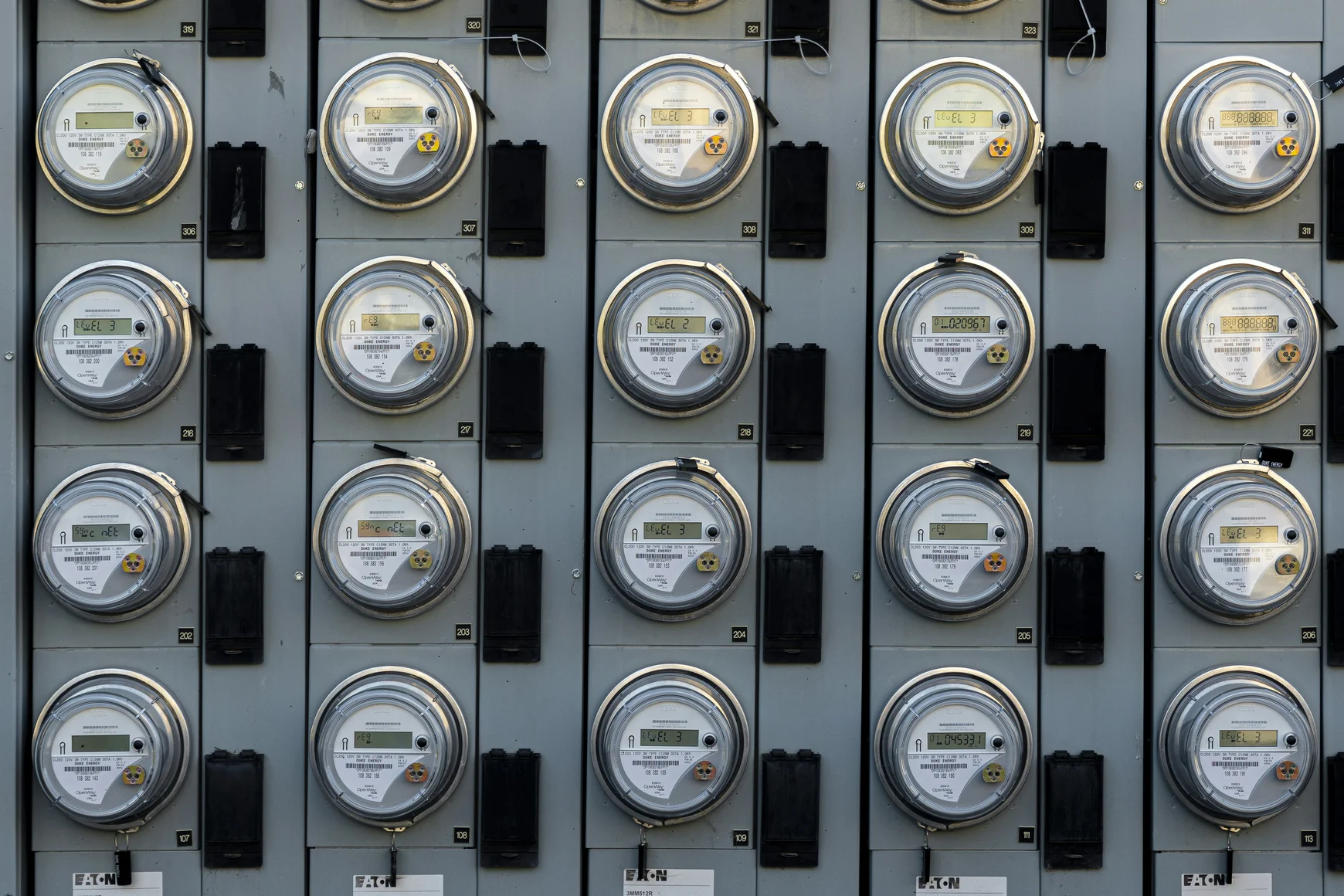
An amp rating describes electrical current capacity. A 200-amp panel is distribution equipment with a particular rating; a 200-amp service is the coordinated supply arrangement serving the property. The meter equipment, conductors, disconnects, protective devices and utility connection must support that arrangement. A label on one box does not establish the capacity of the entire system.
We start with the existing loads and the equipment you want to add. Electric heating, cooking, water heating, vehicle charging and workshop equipment can create very different demand patterns. Empty breaker spaces do not prove spare capacity, and adding the numbers printed on every branch breaker is not a service-load assessment. Share future plans as well as the immediate project so they can be considered together.
A complete proposal identifies the service and panel equipment being changed, any grounding and bonding work, circuit changes, permit and inspection steps, utility responsibilities, and the planned interruption. Existing circuits may need additional evaluation when they are moved to new equipment. Finished-wall repair, trench restoration and other trades should have clearly assigned responsibilities.
The price depends on the existing condition, overhead or underground supply, equipment placement, route length, access and utility requirements. A nearby panel swap and a coordinated meter-and-service upgrade are different projects. Guardian provides free project quotes; diagnostic or service-call charges are explained before booking.
Send photographs of the closed panel and exterior meter equipment, your address, and model information for proposed appliances. Tell us about limited access, medical equipment or business operations affected by an outage. Keep protective covers closed. We confirm the design and schedule for your actual property before work begins.
More supply capacity does not, by itself, reduce energy consumption. Equipment efficiency and how the property uses electricity are separate questions.
Sometimes. Existing demand, charging equipment and compatible management options need review. The result may be a suitable charging arrangement or a service upgrade.
Choose from a load assessment and future equipment plan. Larger is not automatically more useful. See our larger-service guide for the additional coordination involved.
A larger panel does not by itself increase the capacity of the incoming electrical service. The utility supply, meter equipment, conductors and protective devices must support the proposed arrangement. Main service lugs, the terminals where incoming power connects, may remain live with the main breaker off; keep covers closed.
Guardian offers free quotes for planned projects. A fault-finding visit or service call can involve a diagnostic charge, explained before booking. Access, equipment requirements and the work identified determine the proposed repair or installation scope.
Share the property address, the problem or project you have in mind, and equipment details when available. Photos of accessible equipment and the work area can help us plan the next step. Do not remove electrical covers or expose wiring to take photographs.
Guardian Electrical Contractors LLC is based in Myrtle Beach and serves Horry and Georgetown counties. SC CLM.119159 · Insured and bonded · Veteran-owned.
Project quotes are free. Diagnostic and service-call charges are explained before booking. Calls are answered 24/7; call to confirm availability and scheduling.
For service work in Myrtle Beach, North Myrtle Beach or Georgetown, send the full address and utility provider shown on your bill. The property and supply arrangement determine the relevant coordination; a mailing city alone is not enough.
Guardian serves Myrtle Beach, Conway, Carolina Forest and communities across Horry and Georgetown counties. See how quotes and diagnostic visits work, our credentials and project planning guides before arranging the next step.