207 Atlas Drive, Myrtle Beach, SC 29579
Calls answered 24/7
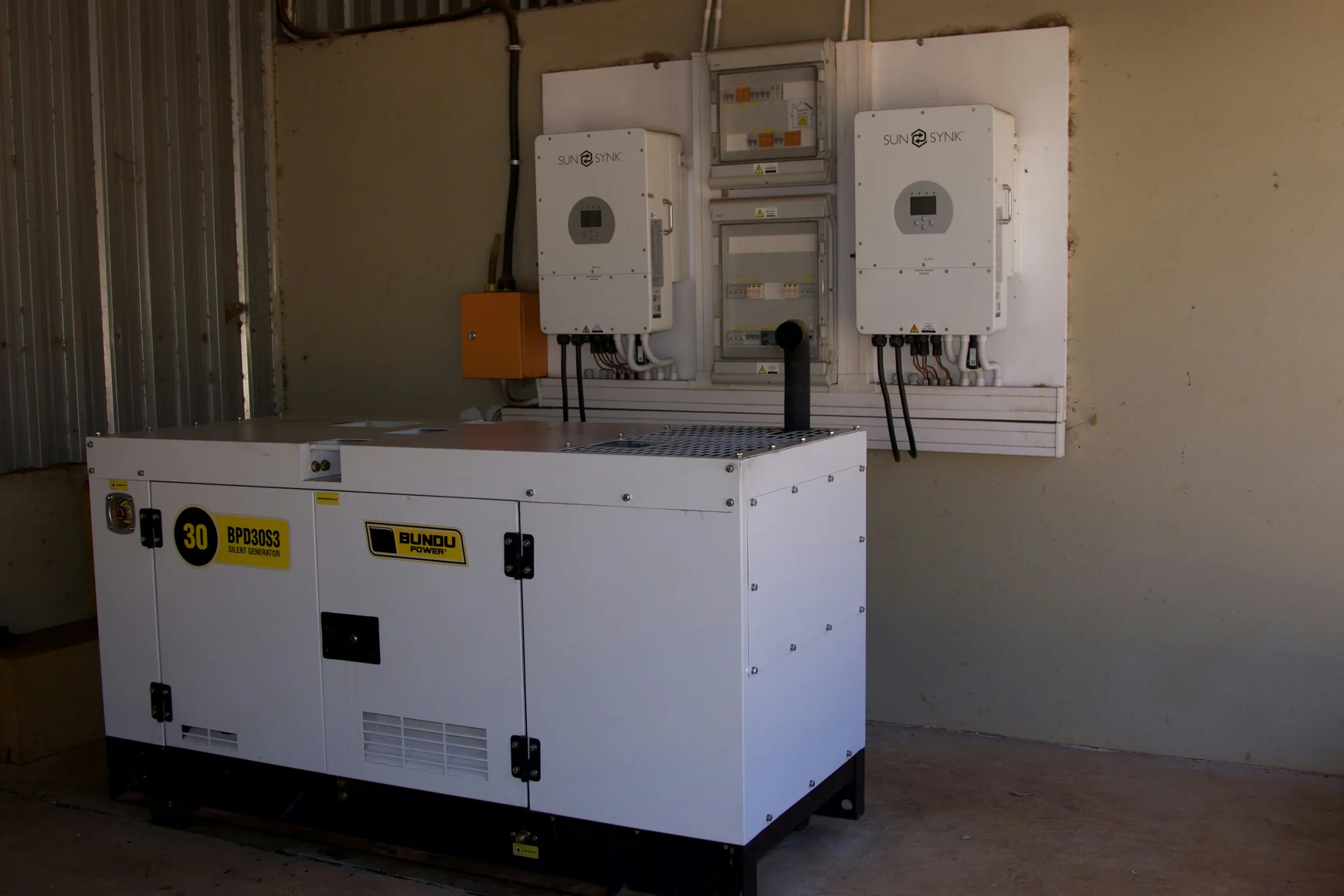
Guardian provides surge protection installation for Myrtle Beach homes and businesses. We assess the electrical equipment, select a compatible protective device and explain its status indicators and maintenance needs.
On this page: Project details · Common questions
Review the selected equipment
Confirm the solar, storage or surge-protection equipment and its intended role. Check system compatibility and the electrical loads involved.
Plan integration with the existing system
Assess connections, protection, grounding and installation locations. Identify manufacturer requirements and any utility approvals needed for the scope.
Confirm scope, permits and scheduling
We identify permit and inspection requirements for the property jurisdiction. Utility coordination is included when the work affects its equipment or supply. You receive the proposed scope before approving the work.
Complete the work and check operation
We complete the agreed electrical work, test the relevant installation and explain operation, findings and any follow-up. Required official inspections are a separate part of completion.
For surge protection installation, identify the property, existing distribution equipment and the devices or areas you want considered. Guardian reviews the compatible equipment and electrical scope. Surge protection does not provide standby electricity during an outage.
Tell us which systems you want to protect and whether there is already a surge protective device at the electrical service or panel. We review the existing arrangement and suitable equipment before confirming installation. Useful starting information includes the panel model, a photo of closed equipment and any visible surge-device status indicator.
A surge is a brief rise in voltage that can stress electronics and appliance controls. A surge protective device, often called an SPD, limits transient voltage at its installation point. It does not provide electricity during a blackout or correct every cause of flickering, a loose neutral or a sustained supply problem.
Service or panel protection and suitable point-of-use protection can serve different parts of a coordinated plan. A multi-outlet power strip is not automatically a surge protector. Device selection considers the electrical system, approved installation location and product ratings; appearance or one advertised rating alone does not establish suitability.
If an existing device shows a replacement indication or the property has experienced an electrical problem, share the model and visible status information. A device can require replacement, and damaged equipment may need separate diagnosis. Flickering lights, tripping breakers or failed appliances should be investigated rather than assumed to be solved by adding surge protection.
A panel replacement, remodel or new equipment installation is a useful time to review existing protection and discuss what should be included in the proposal. For a business, identify equipment whose disruption affects operations. See the Electrical Safety Foundation overview of surge protective devices for background.
No. A UPS can support selected equipment for a limited time when power fails; an SPD addresses transient voltage. Some products combine functions, so the actual specifications matter. For a larger outage-support project, see battery storage and backup integration.
Follow the manufacturer’s status-indicator and inspection guidance. If it reports replacement or equipment behaves abnormally, arrange an assessment. Do not open electrical equipment to inspect internal components.
No. Surge protection addresses transient voltage events. It is not a generator or battery backup and does not supply power during an outage.
No protective device eliminates every possible electrical risk. Equipment selection, correct installation, system condition and the event itself affect performance. Any product warranty has its own terms.
We can review the existing panel and suitable arrangements. The device and installation must be compatible with the equipment; send panel information before purchasing a unit.
Guardian offers free quotes for planned projects. A fault-finding visit or service call can involve a diagnostic charge, explained before booking. Access, equipment requirements and the work identified determine the proposed repair or installation scope.
Share the property address, the problem or project you have in mind, and equipment details when available. Photos of accessible equipment and the work area can help us plan the next step. Do not remove electrical covers or expose wiring to take photographs.
Guardian Electrical Contractors LLC is based in Myrtle Beach and serves Horry and Georgetown counties. SC CLM.119159 · Insured and bonded · Veteran-owned.
Project quotes are free. Diagnostic and service-call charges are explained before booking. Calls are answered 24/7; call to confirm availability and scheduling.
For backup or energy work in Myrtle Beach, Conway or Georgetown, list the loads you want supported and the existing equipment. Include the serving utility and any fuel or equipment contractor in the planning discussion.
Guardian serves Myrtle Beach, Conway, Carolina Forest and communities across Horry and Georgetown counties. See how quotes and diagnostic visits work, our credentials and project planning guides before arranging the next step.