207 Atlas Drive, Myrtle Beach, SC 29579
Calls answered 24/7
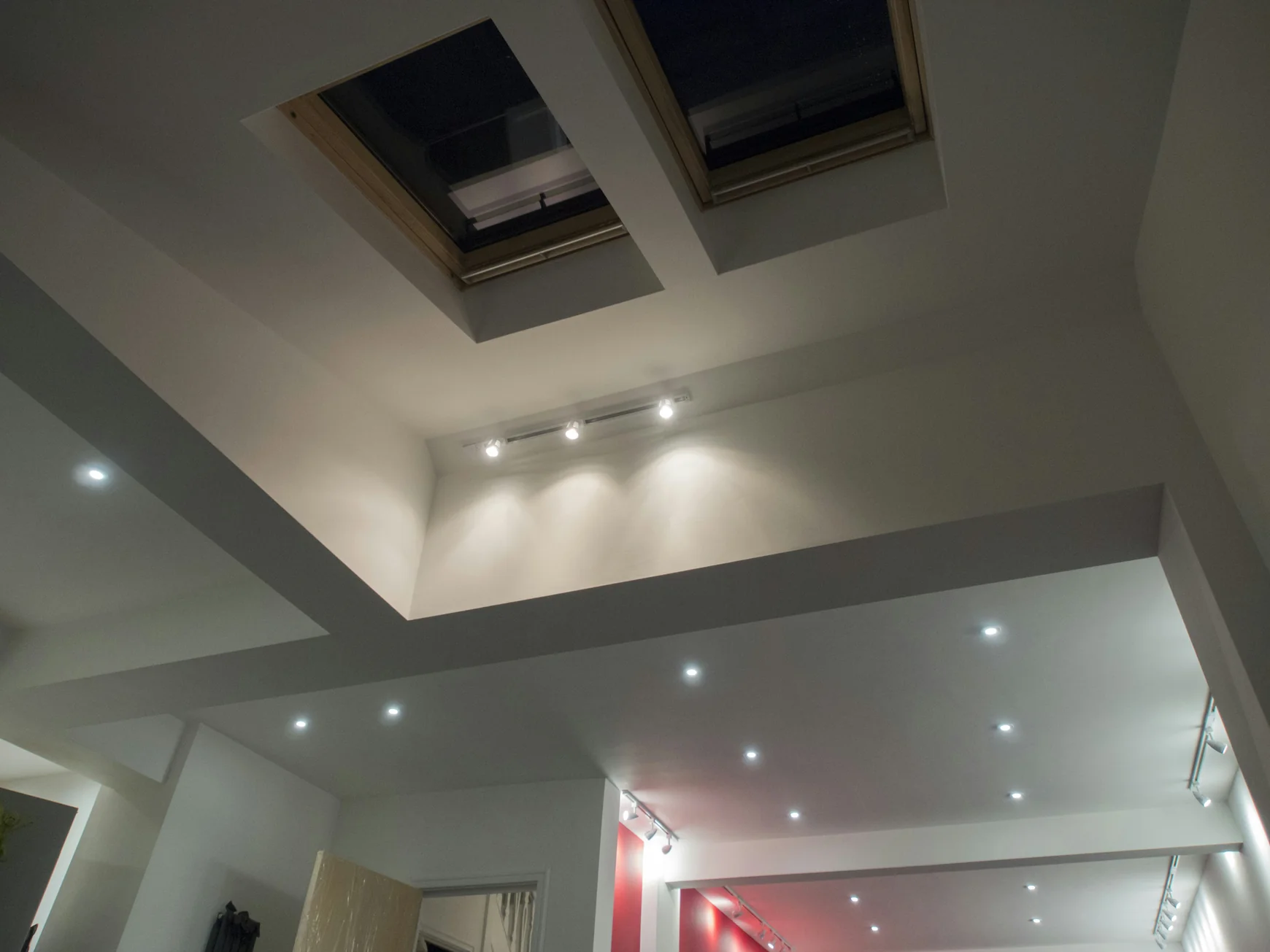
Maintain useful lighting and clearly identified exits with equipment, power arrangements and testing suited to your building.
On this page: Project details · Common questions
Review the building and system scope
Confirm the alarm or emergency-lighting equipment, occupancy needs and applicable project requirements. Identify existing-system compatibility before adding devices.
Plan power and interconnection
Define device locations, wiring, backup-power arrangements and interconnection requirements. Coordinate required approvals for the proposed system.
Confirm scope, permits and scheduling
We identify permit and inspection requirements for the property jurisdiction. Utility coordination is included when the work affects its equipment or supply. You receive the proposed scope before approving the work.
Complete the work and check operation
We complete the agreed electrical work, test the relevant installation and explain operation, findings and any follow-up. Required official inspections are a separate part of completion.
An exit sign identifies an exit or the direction to it. Emergency lighting provides illumination when normal lighting is unavailable. Equipment may be combined in one unit, but a glowing exit sign does not prove that the building’s emergency lighting is functioning as required. The system and intended coverage need review.
Individual fixtures may use internal batteries; other systems have a central supply or designed emergency arrangement. The circuit, controls and equipment instructions determine the installation and test process. Batteries, lamps and charging components can fail in different ways. We evaluate the selected equipment and affected supply rather than replacing parts at random.
A brief operating check and a specified duration test answer different questions. The required test schedule and documentation depend on the building and applicable requirements. Agree on the assessment and records you need before the visit. A failed test needs repair and the relevant follow-up checks, not simply resetting an indicator.
New partitions, tenant layouts or altered use can affect lighting and exit arrangements. Coordinate with the building representative and relevant authority. Guardian handles the electrical work within the agreed project; a general service visit is not a full fire or occupancy approval.
Send fixture photos, the building use and any inspection findings. Access height, equipment type, circuit condition and testing scope shape the estimate.
Yes, with equipment suitability and the existing supply reviewed. The project scope determines whether further arrangement or system checks are needed.
A short test does not establish performance for a specified operating duration. The agreed testing must match the requirement.
Replacement equipment must be suitable for the system and intended use. Compatibility can depend on power, signaling and manufacturer requirements. Share the existing model and system information before buying a replacement.
A test button only establishes the functions tested by that device’s procedure. Battery endurance, system connections or acceptance checks may involve additional procedures. We identify the agreed testing scope and applicable requirements.
Guardian offers free quotes for planned projects. A fault-finding visit or service call can involve a diagnostic charge, explained before booking. Access, equipment requirements and the work identified determine the proposed repair or installation scope.
Share the property address, the problem or project you have in mind, and equipment details when available. Photos of accessible equipment and the work area can help us plan the next step. Do not remove electrical covers or expose wiring to take photographs.
Guardian Electrical Contractors LLC is based in Myrtle Beach and serves Horry and Georgetown counties. SC CLM.119159 · Insured and bonded · Veteran-owned.
Project quotes are free. Diagnostic and service-call charges are explained before booking. Calls are answered 24/7; call to confirm availability and scheduling.
For lighting in Myrtle Beach or North Myrtle Beach, tell us about ceiling heights, exterior exposure and access to shared or occupied areas. Describe the light you want and the controls you use each day.
Guardian serves Myrtle Beach, Conway, Carolina Forest and communities across Horry and Georgetown counties. See how quotes and diagnostic visits work, our credentials and project planning guides before arranging the next step.
Planning reference: DOE consumer lighting guide