207 Atlas Drive, Myrtle Beach, SC 29579
Calls answered 24/7
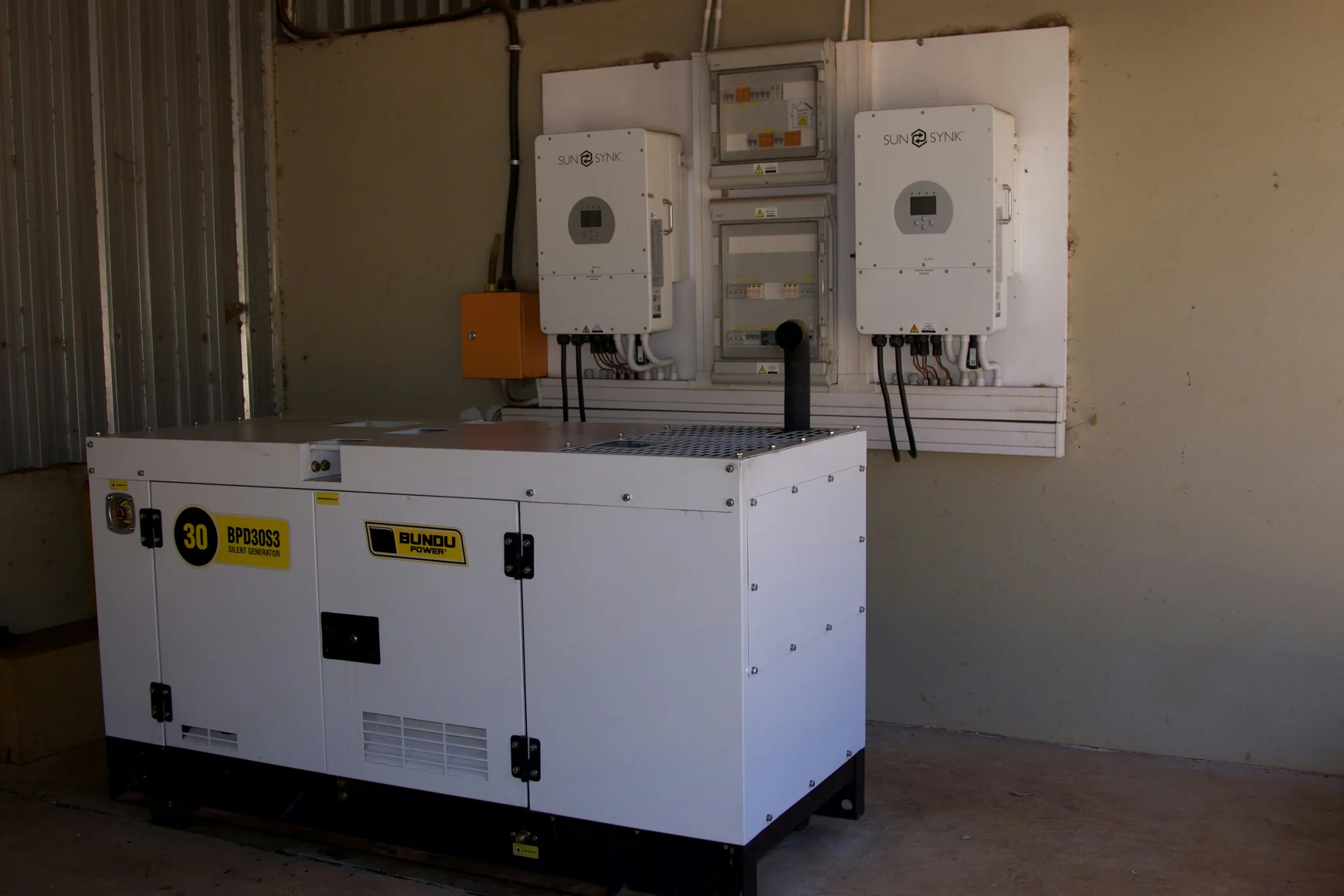
Choose what you need to keep running, then plan how backup power will reach it. Guardian installs and services generator electrical connections and transfer equipment for homes and businesses.
On this page: Project details · Common questions
Choose the loads you need to support
Review the generator or transfer equipment and identify which circuits need backup power. Existing-system visits start with the reported fault or maintenance scope.
Plan transfer and isolation
Check compatibility between the generator, service equipment and transfer arrangement. Define utility coordination, fuel work and other trade responsibilities before scheduling.
Confirm scope, permits and scheduling
We identify permit and inspection requirements for the property jurisdiction. Utility coordination is included when the work affects its equipment or supply. You receive the proposed scope before approving the work.
Complete the work and check operation
We complete the agreed electrical work, test the relevant installation and explain operation, findings and any follow-up. Required official inspections are a separate part of completion.
For an interlock kit installation request, send the generator information and the existing panel identification from a safe exterior view. Guardian must review the specific equipment, compatibility and proposed connection before confirming whether that arrangement is suitable.
An interlock kit is not assumed to fit every panel or replace every transfer-switch arrangement. Confirm the selected equipment, operating instructions and complete electrical scope with Guardian; do not connect a generator through improvised wiring or bypass protective equipment.
Make a practical list: refrigeration, selected lights, essential receptacles or business equipment. Include model information for larger loads and explain your priorities during an outage. A generator’s advertised output alone does not tell us which combinations of equipment it can support. We review the generator, electrical system and intended use together. Our backup-power overview compares generators, storage and surge protection.
A portable-generator connection is a different project from an automatic standby system. Share whether you own the generator, its model and connection information, and any existing inlet or transfer equipment. We assess suitable transfer arrangements and the installation scope before recommending equipment. Fuel supply, placement, exhaust and other-trade work must be coordinated for the specific system.
Transfer equipment manages the connection between utility supply and generator power. Guardian can discuss new transfer switches, replacement or troubleshooting of existing equipment, generator wiring, load review and functional testing. For an existing fault, see generator maintenance and diagnostics. If a generator runs but the intended circuits do not receive power, describe that symptom separately from a generator that will not start.
Do not connect a generator to building wiring through an ordinary wall outlet or an improvised cord. Properly designed transfer equipment is essential to prevent unsafe backfeeding. Operate portable generators outdoors, away from building openings, according to the manufacturer’s instructions. See Electrical Safety Foundation generator guidance.
A generator connection to the building needs an appropriate transfer arrangement that prevents the utility and generator supplies from being connected together. We select compatible listed equipment for the generator and installation. A wall outlet or improvised cord is never a suitable building connection.
A standby generator normally needs time to start and transfer after a utility outage. Equipment that cannot tolerate even a brief interruption may need an additional suitable uninterruptible power supply. We discuss that need separately from generator capacity.
A transfer-control issue, protective-device operation, connection fault or other system problem may be involved. Tell us what the controller displays and which circuits are affected; leave switching compartments closed. Diagnosis determines whether the fault is in the generator, transfer equipment or another part of the installation.
Only if the system has been designed for that combination of loads. Starting demands and simultaneous use matter. We identify the intended loads and any operating limits or load-management arrangement before finalizing the connection.
Guardian offers free quotes for planned projects. A fault-finding visit or service call can involve a diagnostic charge, explained before booking. Access, equipment requirements and the work identified determine the proposed repair or installation scope.
Share the property address, the problem or project you have in mind, and equipment details when available. Photos of accessible equipment and the work area can help us plan the next step. Do not remove electrical covers or expose wiring to take photographs.
Guardian Electrical Contractors LLC is based in Myrtle Beach and serves Horry and Georgetown counties. SC CLM.119159 · Insured and bonded · Veteran-owned.
Project quotes are free. Diagnostic and service-call charges are explained before booking. Calls are answered 24/7; call to confirm availability and scheduling.
For backup or energy work in Myrtle Beach, Conway or Georgetown, list the loads you want supported and the existing equipment. Include the serving utility and any fuel or equipment contractor in the planning discussion.
Guardian serves Myrtle Beach, Conway, Carolina Forest and communities across Horry and Georgetown counties. See how quotes and diagnostic visits work, our credentials and project planning guides before arranging the next step.