207 Atlas Drive, Myrtle Beach, SC 29579
Calls answered 24/7
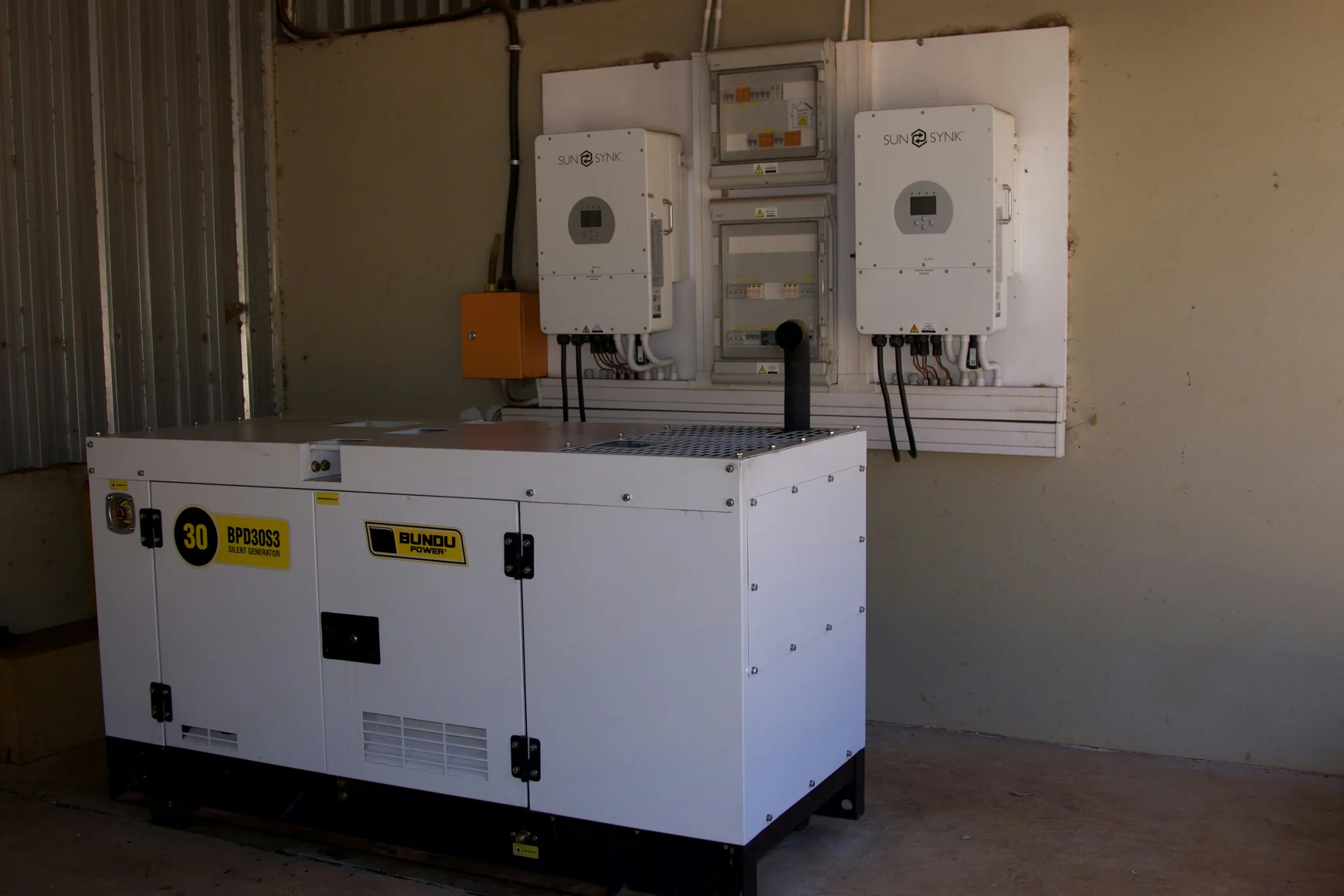
Guardian provides solar electrical installation and integration for a defined home or business project. We coordinate the electrical work with the system design, selected equipment and the requirements of the serving utility.
On this page: Project details · Common questions
Review the selected equipment
Confirm the solar, storage or surge-protection equipment and its intended role. Check system compatibility and the electrical loads involved.
Plan integration with the existing system
Assess connections, protection, grounding and installation locations. Identify manufacturer requirements and any utility approvals needed for the scope.
Confirm scope, permits and scheduling
We identify permit and inspection requirements for the property jurisdiction. Utility coordination is included when the work affects its equipment or supply. You receive the proposed scope before approving the work.
Complete the work and check operation
We complete the agreed electrical work, test the relevant installation and explain operation, findings and any follow-up. Required official inspections are a separate part of completion.
Share the proposed system plan, equipment schedule, property address and the designer or solar-project contact. The work may involve inverter connections, wiring, disconnects and integration with existing distribution equipment. Identify who supplies the panels and handles mounting, roofing and structural responsibilities.
For an existing system, provide the inverter model, available drawings and the actual concern. A low production reading alone does not identify an electrical fault; equipment, monitoring, shading and other conditions may need separate review.
The inverter converts solar-generated DC electricity for use by the AC installation. Different inverter and system arrangements have different connection, control and protection requirements. Guardian follows the approved design and documented compatibility rather than treating equipment from different systems as interchangeable.
The property’s service and distribution equipment, proposed system output and future storage plans matter. An available panel space is not the complete interconnection assessment. Existing wiring and equipment conditions should be reviewed before the final electrical scope is agreed.
Grid-connected generation must follow the serving utility’s process. Santee Cooper, for example, publishes interconnection applications and standards. The correct electric provider, design review, required inspections and permission to operate must be established for the actual property.
Do not assume installed equipment is ready to export power or operate in parallel with the grid. Equipment or design changes can also require review. Guardian coordinates the agreed electrical work with the project team; utility approval dates and tariff arrangements are not guaranteed by a website estimate.
Solar production and backup capability are different functions. A grid-connected solar system does not automatically supply the building during an outage. Backup requires an appropriately designed compatible arrangement, which may include storage and control equipment.
Cost and timing depend on the design, equipment, routing, access, distribution changes and project coordination. No specific energy production, savings, incentives or payback period is promised without a separate verified assessment.
Not automatically. Conventional grid-connected systems normally stop supplying power when the grid fails. Backup operation needs a compatible system designed for that purpose, with appropriate isolation and controls and often battery storage.
Sometimes. Inverter compatibility, available controls, existing equipment, the desired loads and utility requirements need review. The assessment should explain what can be reused and what must change.
The system must follow the relevant inspection and utility interconnection process. Completing electrical installation does not by itself grant permission to operate in parallel with or export to the grid.
No single reading establishes the cause. Weather, shading, monitoring, settings, equipment and electrical faults can affect what is reported. We define the electrical investigation and coordinate other system questions with the appropriate provider.
Guardian offers free quotes for planned projects. A fault-finding visit or service call can involve a diagnostic charge, explained before booking. Access, equipment requirements and the work identified determine the proposed repair or installation scope.
Share the property address, the problem or project you have in mind, and equipment details when available. Photos of accessible equipment and the work area can help us plan the next step. Do not remove electrical covers or expose wiring to take photographs.
Guardian Electrical Contractors LLC is based in Myrtle Beach and serves Horry and Georgetown counties. SC CLM.119159 · Insured and bonded · Veteran-owned.
Project quotes are free. Diagnostic and service-call charges are explained before booking. Calls are answered 24/7; call to confirm availability and scheduling.
For backup or energy work in Myrtle Beach, Conway or Georgetown, list the loads you want supported and the existing equipment. Include the serving utility and any fuel or equipment contractor in the planning discussion.
Guardian serves Myrtle Beach, Conway, Carolina Forest and communities across Horry and Georgetown counties. See how quotes and diagnostic visits work, our credentials and project planning guides before arranging the next step.