207 Atlas Drive, Myrtle Beach, SC 29579
Calls answered 24/7
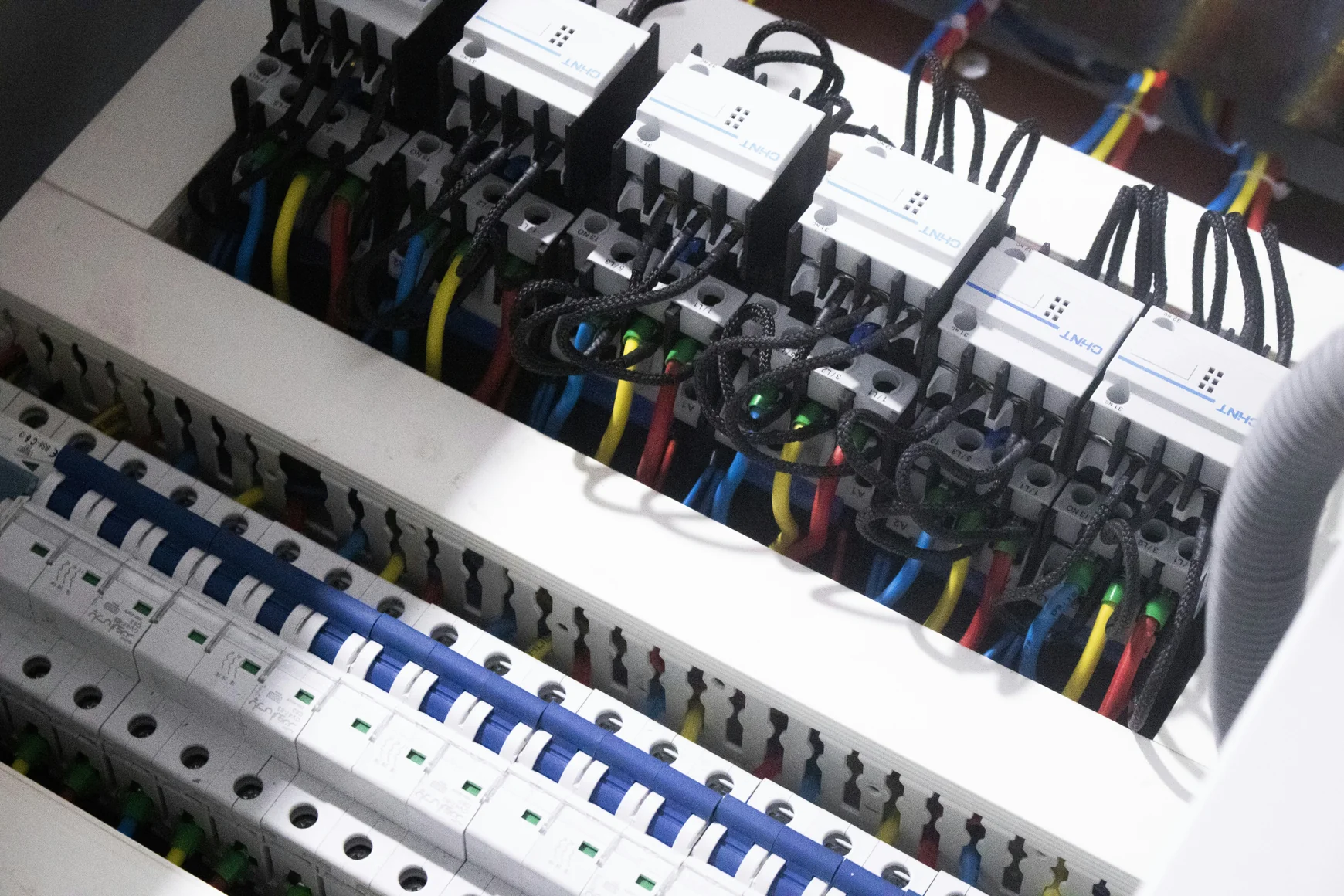
Guardian plans and repairs electrical supplies for storage, heat-pump and tankless water heaters, coordinated with your plumber and the selected equipment.
On this page: Project details · Common questions
Match the circuit to the equipment
Review the model number, electrical rating and existing supply before choosing wiring or protection.
Plan the connection and cable route
Confirm the mounting or outlet location, access, disconnects and any work through finished areas.
Confirm scope, permits and scheduling
We identify permit and inspection requirements for the property jurisdiction. Utility coordination is included when the work affects its equipment or supply. You receive the proposed scope before approving the work.
Complete the work and check operation
We complete the agreed electrical work, test the relevant installation and explain operation, findings and any follow-up. Required official inspections are a separate part of completion.
A conventional electric storage heater uses electrical heating elements in a tank. A heat-pump water heater moves heat into stored water and may also use resistance elements, depending on its design and operating mode. Model choices include different supply arrangements, so “heat pump” alone does not tell us whether an existing circuit will work.
Electric tankless equipment heats water as it flows and can demand much more power at one time than a storage heater. Some models require several individual circuits. Guardian checks the exact electrical instructions and the available service before equipment is purchased. A plumber determines the water-heating and plumbing suitability; we define the electrical supply and connection.
A tankless upgrade deserves an early electrical review. Depending on the model, it can require substantial electrical capacity and more than one circuit. The number of circuits, protection and service implications must come from the selected equipment and a property assessment. Planning before purchase helps identify whether related panel or service work belongs in the project.
A new unit in the same position may be a different job from moving the water heater to a garage, utility room or upper floor. Share the proposed location, access and any finished surfaces along the route. We coordinate suitable disconnect and connection arrangements with the equipment instructions and project requirements. Plumbing, drainage and structural work should be separately assigned.
Tell us whether the water heater is completely without power, intermittently trips a breaker or was identified as having an electrical supply problem by a plumber. Guardian can diagnose the building circuit and connection. A lack of hot water can also come from equipment or plumbing faults, so the symptoms and model help determine which trade should handle each part.
No. The heater design controls its electrical requirements. Increasing breaker size without an appropriately designed installation can leave wiring inadequately protected and does not upgrade the heater.
Have the intended model reviewed first. The equipment price can be only part of the project if several circuits or a larger service are needed. We can identify those electrical implications while the selection is still flexible.
Yes, after reviewing the exact equipment and available capacity. Related service upgrades may be needed and must be confirmed in the proposal.
No. Electrical requirements vary by model and configuration. Send the exact installation instructions and existing supply details before the plumbing installation is scheduled. Guardian assesses the circuit, protection and connection; the heater’s physical size or efficiency label alone does not define the electrical work.
The electrical proposal covers the agreed supply and connection work. Plumbing, water leaks and non-electrical equipment repairs require the appropriate contractor.
Guardian offers free quotes for planned projects. A fault-finding visit or service call can involve a diagnostic charge, explained before booking. Access, equipment requirements and the work identified determine the proposed repair or installation scope.
Share the property address, the problem or project you have in mind, and equipment details when available. Photos of accessible equipment and the work area can help us plan the next step. Do not remove electrical covers or expose wiring to take photographs.
Guardian Electrical Contractors LLC is based in Myrtle Beach and serves Horry and Georgetown counties. SC CLM.119159 · Insured and bonded · Veteran-owned.
Project quotes are free. Diagnostic and service-call charges are explained before booking. Calls are answered 24/7; call to confirm availability and scheduling.
For equipment in Conway, Myrtle Beach or Georgetown, send the nameplate and installation location. Residential appliances and commercial equipment can have different supply needs even when they look similar.
Guardian serves Myrtle Beach, Conway, Carolina Forest and communities across Horry and Georgetown counties. See how quotes and diagnostic visits work, our credentials and project planning guides before arranging the next step.