207 Atlas Drive, Myrtle Beach, SC 29579
Calls answered 24/7
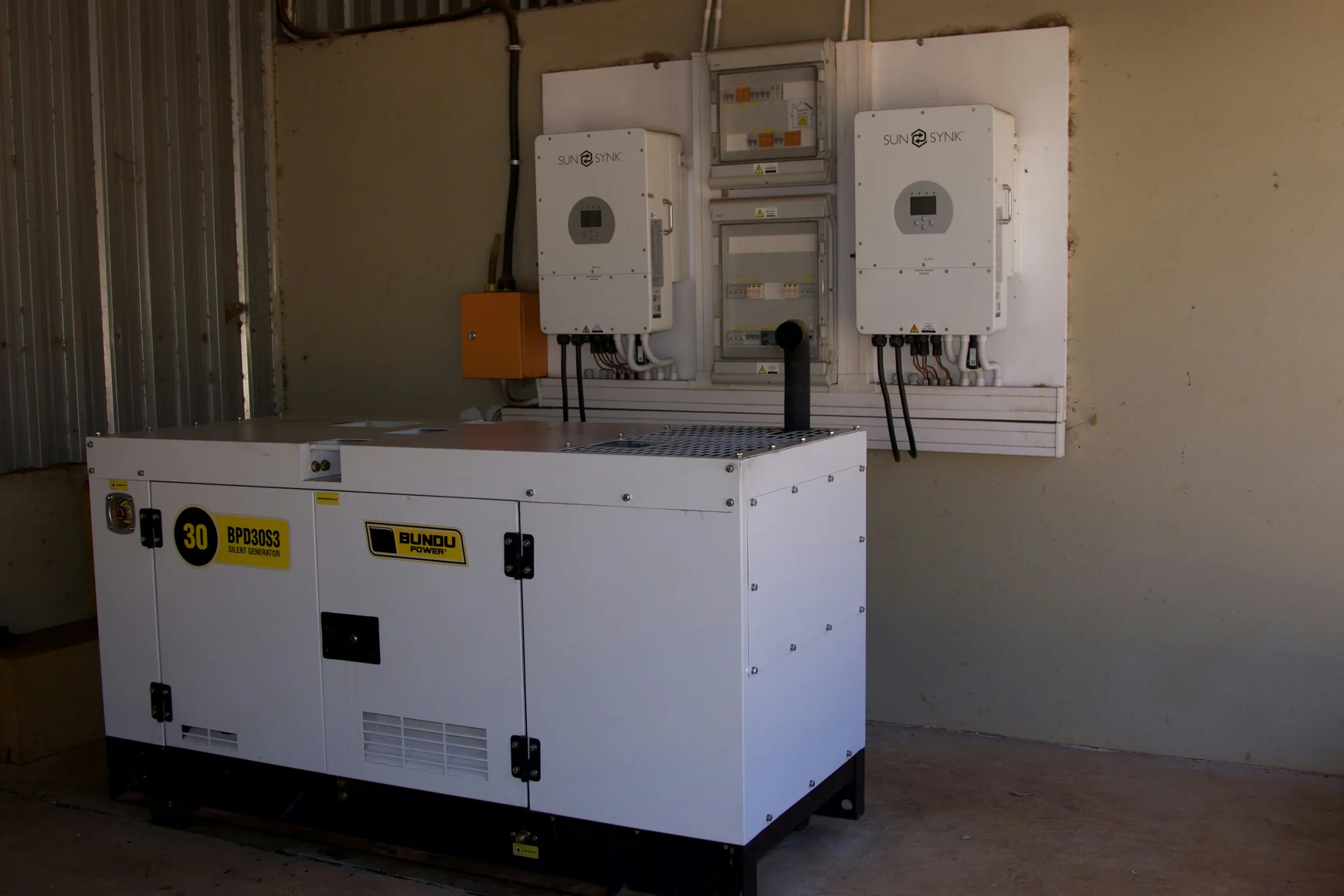
Guardian installs and integrates battery storage for a defined home or business electrical scope. Start with the loads you want to support and the existing system so the battery, inverter and controls can be planned together.
On this page: Project details · Common questions
Review the selected equipment
Confirm the solar, storage or surge-protection equipment and its intended role. Check system compatibility and the electrical loads involved.
Plan integration with the existing system
Assess connections, protection, grounding and installation locations. Identify manufacturer requirements and any utility approvals needed for the scope.
Confirm scope, permits and scheduling
We identify permit and inspection requirements for the property jurisdiction. Utility coordination is included when the work affects its equipment or supply. You receive the proposed scope before approving the work.
Complete the work and check operation
We complete the agreed electrical work, test the relevant installation and explain operation, findings and any follow-up. Required official inspections are a separate part of completion.
Battery energy capacity is commonly measured in kilowatt-hours, or kWh: how much energy can be stored. Output is measured in kilowatts, or kW: how much power the system can supply at a time. A system may have enough energy for lighting and refrigeration over many hours but insufficient output to start or operate several large appliances together.
Backup planning therefore starts with both the loads and the intended duration. Refrigeration, internet and a few lights are a different goal from running cooling, cooking, water heating and vehicle charging. Starting demands, usable charge, reserve settings and system losses affect the estimate. We do not promise a fixed runtime from the battery’s name or enclosure size.
Compatibility includes more than the battery enclosure. The inverter, controller, transfer or isolation arrangement, firmware and existing solar equipment must suit the approved system design. Manufacturers publish supported configurations; a battery is not a universal add-on for any solar installation.
Guardian reviews the project documents and connection requirements with the system designer or equipment provider. Tell us whether the work adds storage to an existing installation or builds a new combined system. Any retained equipment needs to be identified accurately.
Some storage arrangements operate while the grid is available but do not provide outage backup. A backup-capable system needs an appropriate way to supply the chosen loads and separate from the utility when required. Whole-property and selected-circuit backup also produce different equipment and distribution requirements.
Installation location, environmental conditions, clearances, access and protection follow the selected equipment and project requirements. Building approval, inspection and utility interconnection responsibilities must be confirmed for the site. Do not assume a battery can go wherever spare wall space exists.
Share the electric provider, existing solar or generator details and the equipment you need to keep running. Routing, distribution changes, controls, location and coordination affect cost and timing. Identify who supplies the equipment, commissions the complete system and explains its normal operation.
Manufacturer warranties, incentives and energy-bill outcomes have separate terms. Guardian’s proposal identifies its electrical work without promising uninterrupted power or a particular financial return.
No. The available output, starting loads and stored energy still limit operation. The proposal should state the supported loads and any management or operating restrictions.
Expansion depends on the selected system, compatibility, location and any approval or utility requirements. If expansion is likely, include it in the initial design review; it is not assumed that any future battery can be connected.
Runtime depends on usable stored energy, charge at the start, selected loads and how those loads operate. Battery capacity and power output describe different limits. Share essential equipment and the desired outage plan so Guardian can help define the electrical installation scope around the selected system; a fixed runtime is not assumed.
Some systems support configurations without solar. The selected equipment, intended use and utility requirements determine what is suitable for the property.
No. The system must be designed and configured for backup, and operation depends on available charge, loads and equipment condition. Storage alone does not establish outage capability.
Guardian offers free quotes for planned projects. A fault-finding visit or service call can involve a diagnostic charge, explained before booking. Access, equipment requirements and the work identified determine the proposed repair or installation scope.
Share the property address, the problem or project you have in mind, and equipment details when available. Photos of accessible equipment and the work area can help us plan the next step. Do not remove electrical covers or expose wiring to take photographs.
Guardian Electrical Contractors LLC is based in Myrtle Beach and serves Horry and Georgetown counties. SC CLM.119159 · Insured and bonded · Veteran-owned.
Project quotes are free. Diagnostic and service-call charges are explained before booking. Calls are answered 24/7; call to confirm availability and scheduling.
For backup or energy work in Myrtle Beach, Conway or Georgetown, list the loads you want supported and the existing equipment. Include the serving utility and any fuel or equipment contractor in the planning discussion.
Guardian serves Myrtle Beach, Conway, Carolina Forest and communities across Horry and Georgetown counties. See how quotes and diagnostic visits work, our credentials and project planning guides before arranging the next step.