207 Atlas Drive, Myrtle Beach, SC 29579
Calls answered 24/7
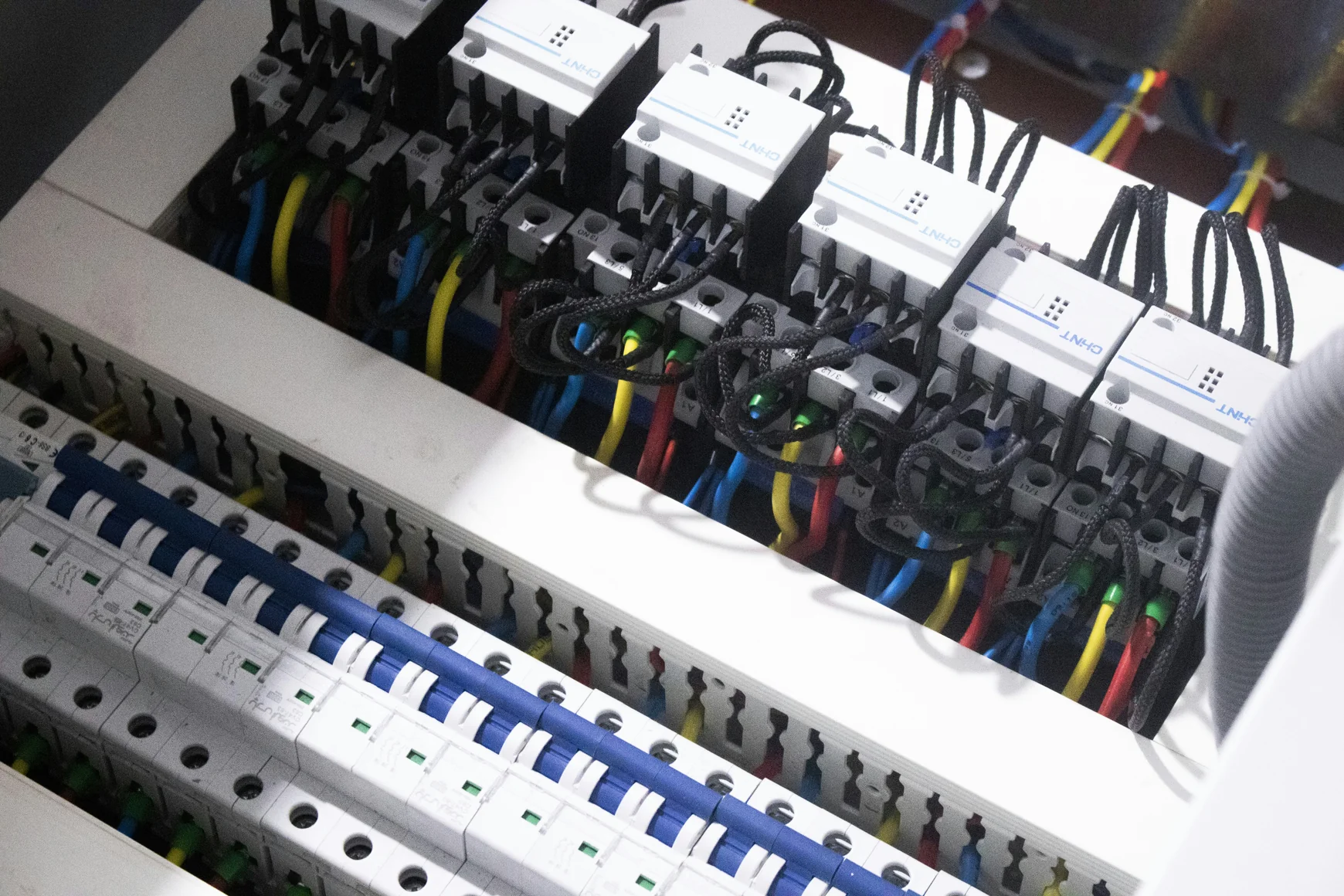
Electrical subpanel installation brings circuit distribution closer to an addition, garage, workshop or commercial workspace. Guardian plans the feeder, panel location and circuits around the equipment you need and the property’s existing supply.
On this page: Project details · Common questions
Assess demand and equipment
Review existing loads, service ratings and the condition of the panel or service equipment.
Plan the supply and interruption
Define equipment ratings, feeder routes and any utility-controlled disconnection before scheduling.
Confirm scope, permits and scheduling
We identify permit and inspection requirements for the property jurisdiction. Utility coordination is included when the work affects its equipment or supply. You receive the proposed scope before approving the work.
Complete the work and check operation
We complete the agreed electrical work, test the relevant installation and explain operation, findings and any follow-up. Required official inspections are a separate part of completion.
For subpanel installation, list the equipment or areas it will serve and the approximate route from the existing supply. A subpanel adds a distribution point; it does not by itself increase the capacity of the electrical service. The intended loads, wiring route and access determine the proposed work.
A subpanel distributes power to additional circuits from an upstream supply. It does not, by itself, increase the property’s electrical service capacity. We review the loads you want to serve, the existing panel and service, and the proposed feeder before recommending a layout. Sometimes the project needs added distribution; sometimes capacity or existing equipment also needs attention.
The feeder carries power from upstream equipment to the subpanel. The individual branch circuits then supply lights, receptacles and appliances in that area. Its design must account for the intended demand and the supply available upstream. A panel with many breaker spaces can still be limited by its feeder and the property’s service.
A workshop with a compressor, heater and EV charger needs a different review from a garage used mainly for lighting and storage. Guardian considers the actual equipment, operation and future plans, then selects an appropriate distribution arrangement. A quoted panel rating is not a promise that every connected load can run at full output simultaneously.
Tell us whether the space shares a wall with the main building or sits across the yard. For a detached garage or shed, the route may cross landscaping, paving or other utilities. We confirm the electrical supply, route, suitable equipment location and grounding and bonding scope. Trenching, surface restoration and work by other trades should be clearly assigned before the job begins.
Equipment must remain accessible after shelves, cabinets and stored materials are in place. Share proposed room layouts and any hours when power cannot be interrupted. For an occupied home or business, we discuss the work sequence and anticipated interruption before scheduling. Photos should show the outside of closed electrical equipment; leave protective covers in place.
It can be planned for that possibility, but the intended charger demand and upstream capacity must be included. Leaving an empty breaker space alone does not reserve sufficient electrical capacity.
Not always. A direct dedicated circuit may be appropriate. We compare the number of loads, distance, access and future plans before recommending another distribution panel.
A subpanel creates another distribution point; it does not create more power from the utility. A review of the actual loads determines whether service work is also needed.
Often, but the feeder route, existing supply and building conditions must be assessed. Tell us about paving, distance and the equipment you intend to use.
Feeder size and length, installation access, panel location, existing equipment condition, excavation and required coordination affect the scope. A useful estimate starts with those details.
Guardian offers free quotes for planned projects. A fault-finding visit or service call can involve a diagnostic charge, explained before booking. Access, equipment requirements and the work identified determine the proposed repair or installation scope.
Share the property address, the problem or project you have in mind, and equipment details when available. Photos of accessible equipment and the work area can help us plan the next step. Do not remove electrical covers or expose wiring to take photographs.
Guardian Electrical Contractors LLC is based in Myrtle Beach and serves Horry and Georgetown counties. SC CLM.119159 · Insured and bonded · Veteran-owned.
Project quotes are free. Diagnostic and service-call charges are explained before booking. Calls are answered 24/7; call to confirm availability and scheduling.
For a panel project in Conway, Carolina Forest or Myrtle Beach, share planned appliances and existing symptoms. Tell Guardian which occupied areas or equipment need advance notice of a power interruption.
Guardian serves Myrtle Beach, Conway, Carolina Forest and communities across Horry and Georgetown counties. See how quotes and diagnostic visits work, our credentials and project planning guides before arranging the next step.