207 Atlas Drive, Myrtle Beach, SC 29579
Calls answered 24/7
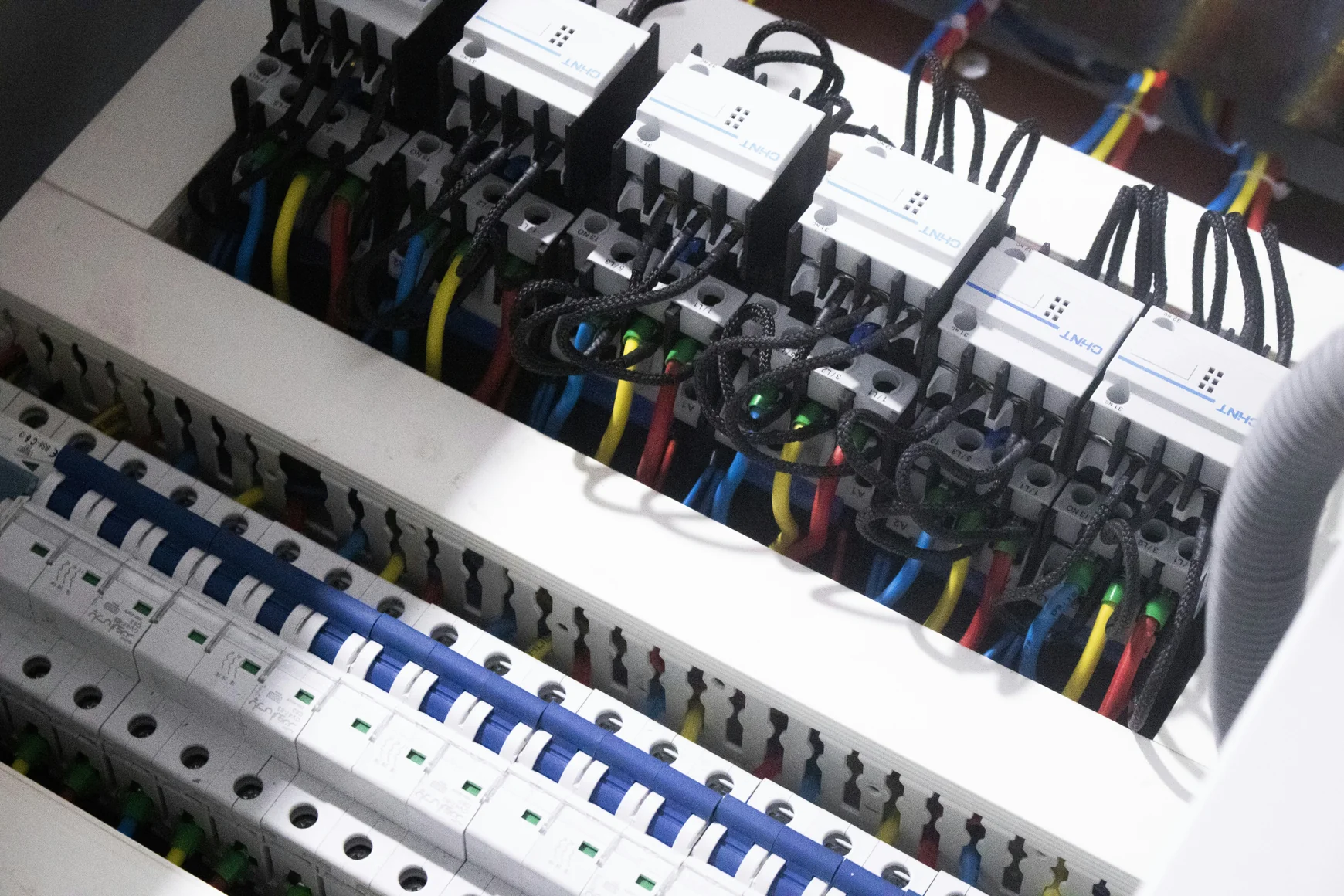
Guardian plans 240V circuits and receptacles for appliances, tools and equipment, with the connection matched to your property and the exact equipment model.
On this page: Project details · Common questions
Match the circuit to the equipment
Review the model number, electrical rating and existing supply before choosing wiring or protection.
Plan the connection and cable route
Confirm the mounting or outlet location, access, disconnects and any work through finished areas.
Confirm scope, permits and scheduling
We identify permit and inspection requirements for the property jurisdiction. Utility coordination is included when the work affects its equipment or supply. You receive the proposed scope before approving the work.
Complete the work and check operation
We complete the agreed electrical work, test the relevant installation and explain operation, findings and any follow-up. Required official inspections are a separate part of completion.
On a typical home’s 120/240-volt supply, larger equipment can use 240 volts while ordinary receptacles use 120 volts. Some appliances need 240V only; others need both 120V and 240V for different internal functions. That distinction affects the required conductors and connection. A neutral and an equipment ground do different jobs and cannot simply be substituted for each other.
Amperage is a separate requirement. Two appliances can both need 240V yet need different circuit ratings, receptacles and protection. Guardian matches the entire circuit to the equipment instructions and the actual property supply. Commercial premises may have 208V or other systems; equipment marked for one voltage is not assumed suitable for another.
A 30A or 50A outlet request is a useful starting description, but the number alone is not an installation plan. Voltage, conductor arrangement, receptacle configuration, equipment instructions and circuit protection must agree. NEMA 14-30 and 14-50 are examples of different connection types; they are not interchangeable simply because both serve larger equipment. We confirm the required configuration for the actual use.
Some equipment uses a cord and receptacle; other equipment is hardwired. Share how the manufacturer specifies the connection and whether a disconnect is part of the project. For EV charging, see our charger installation page. For laundry equipment, see dryer outlets and circuits.
An empty breaker space does not establish that the electrical service can support another load. Tell us about planned HVAC, cooking, water-heating and charging changes together so we can review demand. A long route to a detached building, exterior exposure or finished walls can change the installation scope. The proposal should also identify any excavation and restoration.
The equipment controls how much power it uses within its approved setup. A higher-rated receptacle alone does not change the appliance rating, the wiring capacity or the available electrical service.
Do not assume those loads can share a circuit. Their installation instructions and the applicable circuit requirements govern the arrangement. We review each appliance and provide a defined supply plan.
Customers commonly say 220V when asking about this type of household circuit. We verify the equipment rating and actual electrical supply before specifying the work.
It needs an assessment of the complete circuit, wiring and intended equipment. Replacing the receptacle alone is not a safe conversion plan.
Yes, subject to its requirements. Commercial properties can have different supply voltages and phases; we verify those before accepting equipment connection work.
Guardian offers free quotes for planned projects. A fault-finding visit or service call can involve a diagnostic charge, explained before booking. Access, equipment requirements and the work identified determine the proposed repair or installation scope.
Share the property address, the problem or project you have in mind, and equipment details when available. Photos of accessible equipment and the work area can help us plan the next step. Do not remove electrical covers or expose wiring to take photographs.
Guardian Electrical Contractors LLC is based in Myrtle Beach and serves Horry and Georgetown counties. SC CLM.119159 · Insured and bonded · Veteran-owned.
Project quotes are free. Diagnostic and service-call charges are explained before booking. Calls are answered 24/7; call to confirm availability and scheduling.
For equipment in Conway, Myrtle Beach or Georgetown, send the nameplate and installation location. Residential appliances and commercial equipment can have different supply needs even when they look similar.
Guardian serves Myrtle Beach, Conway, Carolina Forest and communities across Horry and Georgetown counties. See how quotes and diagnostic visits work, our credentials and project planning guides before arranging the next step.