207 Atlas Drive, Myrtle Beach, SC 29579
Calls answered 24/7
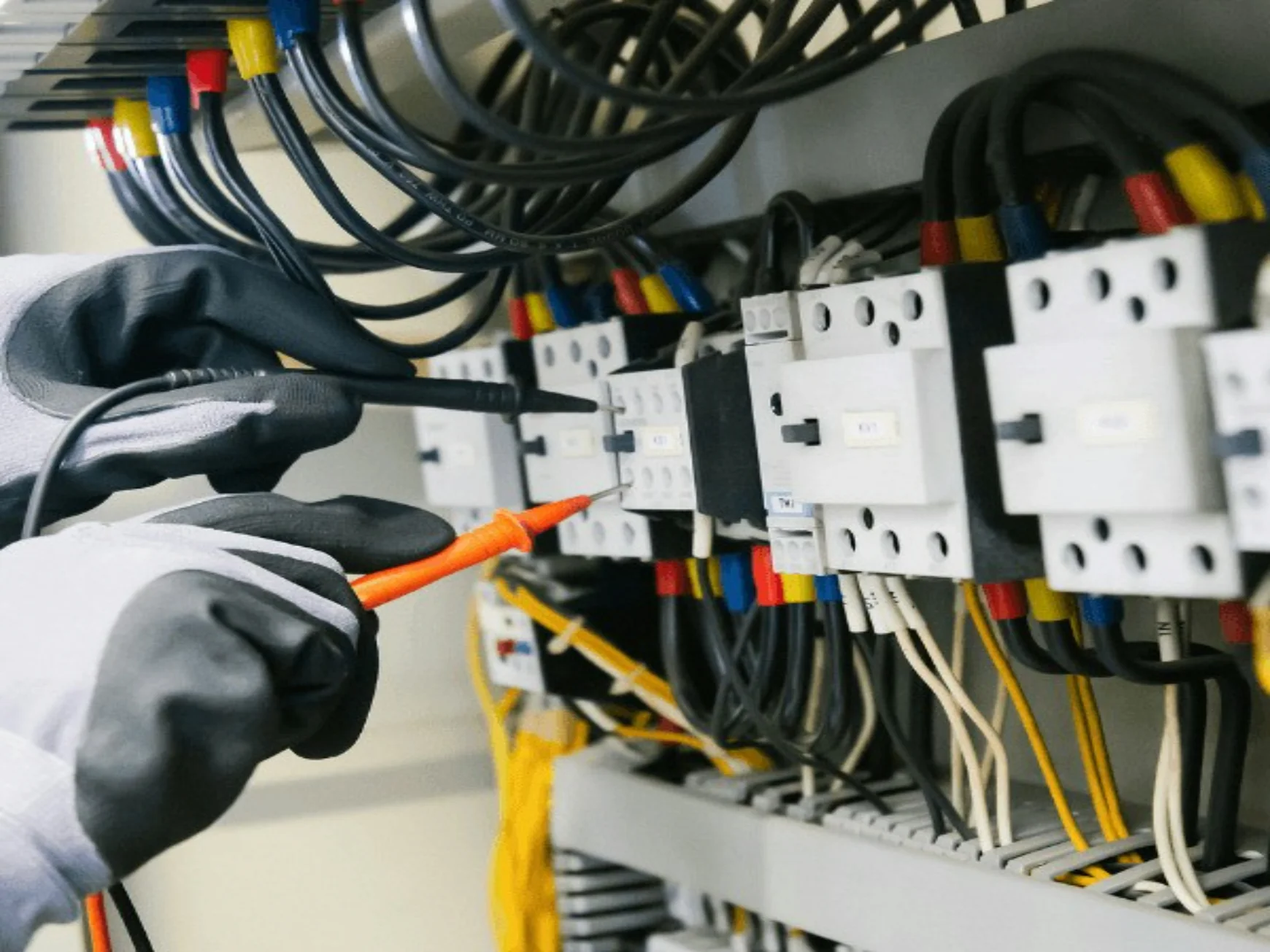
Grounding and bonding are related parts of an electrical installation with different jobs. Guardian reviews concerns identified during repairs, equipment changes or an inspection and explains the corrections supported by the actual findings.
On this page: Project details · Common questions
Review the equipment and exposure
Identify the outdoor loads, distance from the supply and exposure to water or weather. Pool, spa and waterfront work require a location-specific review.
Plan wiring and protective measures
Confirm suitable wiring routes, disconnects, grounding and bonding, and required shock protection for the actual equipment and site.
Confirm scope, permits and scheduling
We identify permit and inspection requirements for the property jurisdiction. Utility coordination is included when the work affects its equipment or supply. You receive the proposed scope before approving the work.
Complete the work and check operation
We complete the agreed electrical work, test the relevant installation and explain operation, findings and any follow-up. Required official inspections are a separate part of completion.
System grounding establishes an intentional connection to earth. Bonding connects conductive parts so they remain electrically connected as intended. Equipment-grounding and bonding paths help fault current return to its source so protective equipment can operate.
A ground rod is part of an electrode arrangement, not a substitute for the required equipment-grounding path. Simply adding a rod does not establish that outlets, metal equipment or a downstream panel have the right fault-current path. These parts need to be reviewed as a system.
The neutral carries normal return current where the circuit uses it. Equipment-grounding conductors serve a protective role. Their required relationship depends on the service and distribution arrangement; connecting them together wherever convenient is not a valid general repair.
For a panel replacement, new subpanel or detached-building supply, Guardian considers the grounding and bonding arrangement along with the rest of the installation. We identify the equipment and its role before recommending a change, rather than relying on a photograph of one connection.
A report may identify an ungrounded receptacle, a missing bond, a damaged grounding connection or an incorrect neutral arrangement in a downstream panel. These findings refer to different parts of the system. Guardian uses the actual report and tests the affected installation to determine which correction addresses the concern.
An outlet with three slots does not prove that an equipment-grounding path exists. A simple receptacle indication also cannot assess every grounding and bonding condition in the property. GFCI protection reduces certain shock risks but does not create an equipment-grounding conductor. Where an allowed GFCI (ground-fault protection that interrupts certain current leaks to reduce shock risk)-based replacement approach is appropriate, its limitations and required identification must remain clear.
The scope may involve particular equipment connections, damaged conductors, panel arrangements or related wiring work. Cost depends on access, the findings, materials and whether other equipment must be repaired or replaced. Ask which locations and systems the proposal covers.
This service is not a promise that one correction resolves every safety issue or protects a building from every surge or lightning event. If you have felt a shock or suspect energized metal, stop using the affected equipment and keep clear while professional help is arranged.
No. Grounding and bonding serve essential electrical functions, but they do not prevent lightning or guarantee that equipment survives every surge. A surge-protection assessment is a separate part of an electrical plan.
They can. A change in conductive piping or related connections may alter an existing arrangement. Include recent plumbing work and the inspection finding so the affected system can be reviewed.
Not by itself. The outlet’s wiring and protective arrangement must be reviewed. An electrode in the earth is not a replacement for an appropriate equipment-grounding connection.
Yes. Send the report and property information. Guardian reviews the findings, access and scope before proposing repairs; a contractor assessment does not replace an inspection authority’s required approval.
Yes. The feeder, panel arrangement and grounding and bonding requirements belong in that project review. Existing conditions and the new location determine the scope.
Guardian offers free quotes for planned projects. A fault-finding visit or service call can involve a diagnostic charge, explained before booking. Access, equipment requirements and the work identified determine the proposed repair or installation scope.
Share the property address, the problem or project you have in mind, and equipment details when available. Photos of accessible equipment and the work area can help us plan the next step. Do not remove electrical covers or expose wiring to take photographs.
Guardian Electrical Contractors LLC is based in Myrtle Beach and serves Horry and Georgetown counties. SC CLM.119159 · Insured and bonded · Veteran-owned.
Project quotes are free. Diagnostic and service-call charges are explained before booking. Calls are answered 24/7; call to confirm availability and scheduling.
For an electrical concern in Myrtle Beach, Conway or Georgetown, provide the full address and affected areas. Include any written findings, recent work and the best contact for property access.
Guardian serves Myrtle Beach, Conway, Carolina Forest and communities across Horry and Georgetown counties. See how quotes and diagnostic visits work, our credentials and project planning guides before arranging the next step.