207 Atlas Drive, Myrtle Beach, SC 29579
Calls answered 24/7
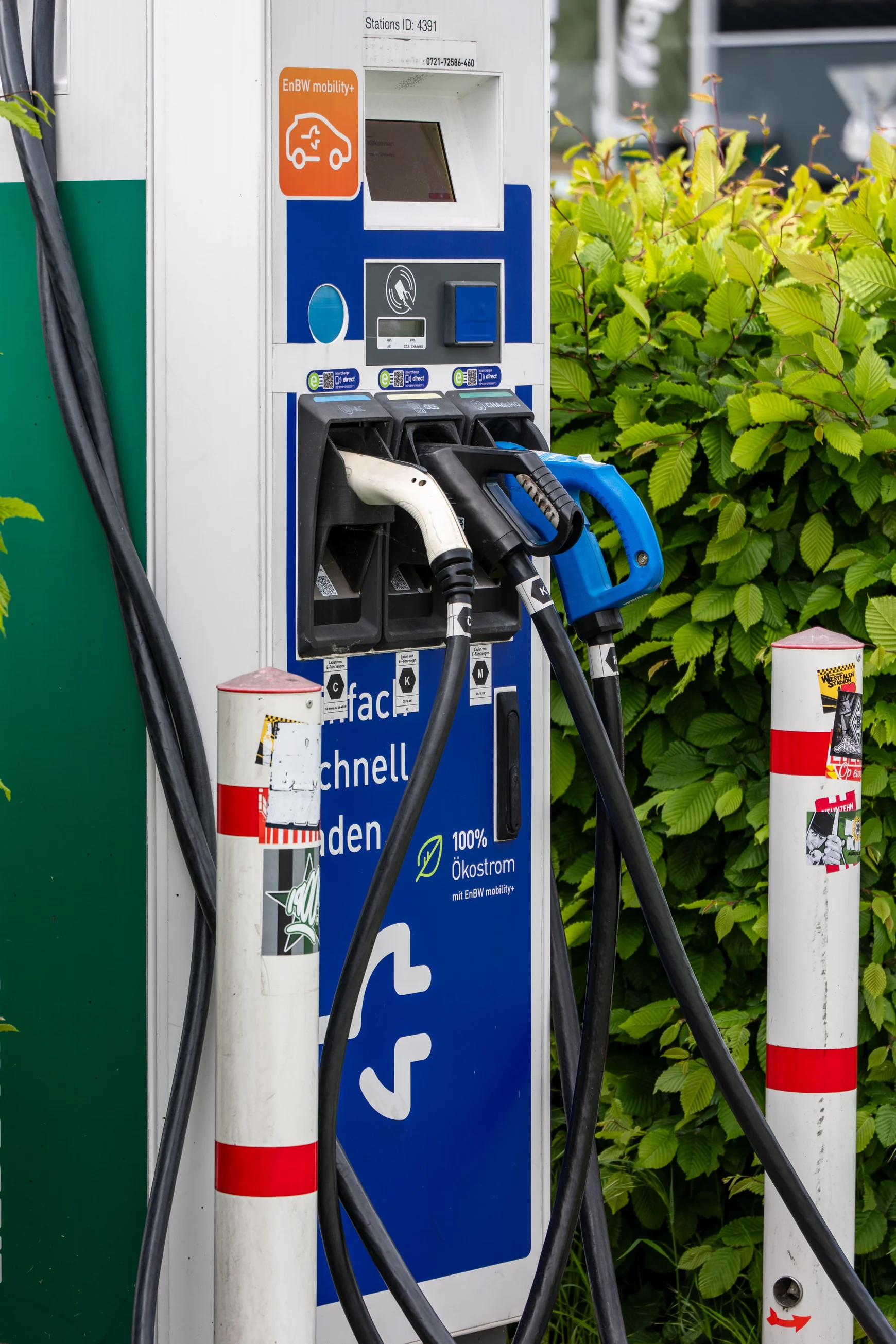
Plan charging for employees, guests, tenants or fleet vehicles around dwell time, electrical capacity and how the site will operate.
On this page: Project details · Common questions
Review your vehicle and electrical capacity
Check the charger specifications, daily driving needs and available electrical capacity.
Plan the parking position and wiring route
Locate the charging equipment around cable reach, vehicle access and a suitable circuit route.
Confirm scope, permits and scheduling
We identify permit and inspection requirements for the property jurisdiction. Utility coordination is included when the work affects its equipment or supply. You receive the proposed scope before approving the work.
Complete the work and check operation
We complete the agreed electrical work, test the relevant installation and explain operation, findings and any follow-up. Required official inspections are a separate part of completion.
Level 2 AC charging can suit vehicles parked for longer periods. DC fast charging provides a different charging approach and can involve much larger infrastructure demands. Vehicle compatibility, time available to charge and the energy needed between trips influence selection. Faster equipment is not automatically the best fit for a workplace, hotel or fleet depot.
List vehicle types, parking duration, expected daily use and future expansion. Fleet schedules and departure needs differ from occasional visitor use. For shared locations, discuss who may charge, how spaces are assigned and whether payment or access restrictions are needed. Charger count alone does not establish the site’s required electrical capacity.
Distribution, transformer or service review may be required. The utility establishes its supply responsibilities; the site plan addresses cable routes, parking layout, equipment protection and access. Load management can be an option for compatible systems after design review. Trenching, foundations, restoration and vendor startup must be assigned in the proposal.
Public or managed charging may depend on communications, subscriptions and a charging-network account. Identify the owner of the account, the commissioning responsibilities and ongoing maintenance before purchasing equipment. The electrical installation and the commercial operation of a charging network are related but separate scopes.
Guardian handles commercial charging electrical projects with equipment, utility and project-specific requirements confirmed before work. Send a site layout, vehicle plan, charger specifications if selected, and the authorized property contact.
No. Existing capacity, use pattern, charger output and a compatible managed arrangement need evaluation.
The equipment, infrastructure, design, vendor requirements and approvals must be reviewed for the project. We confirm the electrical scope before promising a particular installation.
The vehicle, charger settings and available circuit all limit charging speed. We consider daily driving and parking time rather than assuming the highest possible setting is necessary.
Some properties can support the intended charging load without a service upgrade; others need changes. A load calculation, which evaluates electrical demand, helps establish the options. Compatible load management, a system that limits charging as other loads change, may be relevant for supported equipment.
Guardian offers free quotes for planned projects. A fault-finding visit or service call can involve a diagnostic charge, explained before booking. Access, equipment requirements and the work identified determine the proposed repair or installation scope.
Share the property address, the problem or project you have in mind, and equipment details when available. Photos of accessible equipment and the work area can help us plan the next step. Do not remove electrical covers or expose wiring to take photographs.
Guardian Electrical Contractors LLC is based in Myrtle Beach and serves Horry and Georgetown counties. SC CLM.119159 · Insured and bonded · Veteran-owned.
Project quotes are free. Diagnostic and service-call charges are explained before booking. Calls are answered 24/7; call to confirm availability and scheduling.
For charging in Myrtle Beach, Carolina Forest or North Myrtle Beach, identify the parking space, electrical supply and property approval contact. Shared parking and managed properties need access and equipment responsibilities established early.
Guardian serves Myrtle Beach, Conway, Carolina Forest and communities across Horry and Georgetown counties. See how quotes and diagnostic visits work, our credentials and project planning guides before arranging the next step.
Planning reference: DOE home EV charging guidance