207 Atlas Drive, Myrtle Beach, SC 29579
Calls answered 24/7
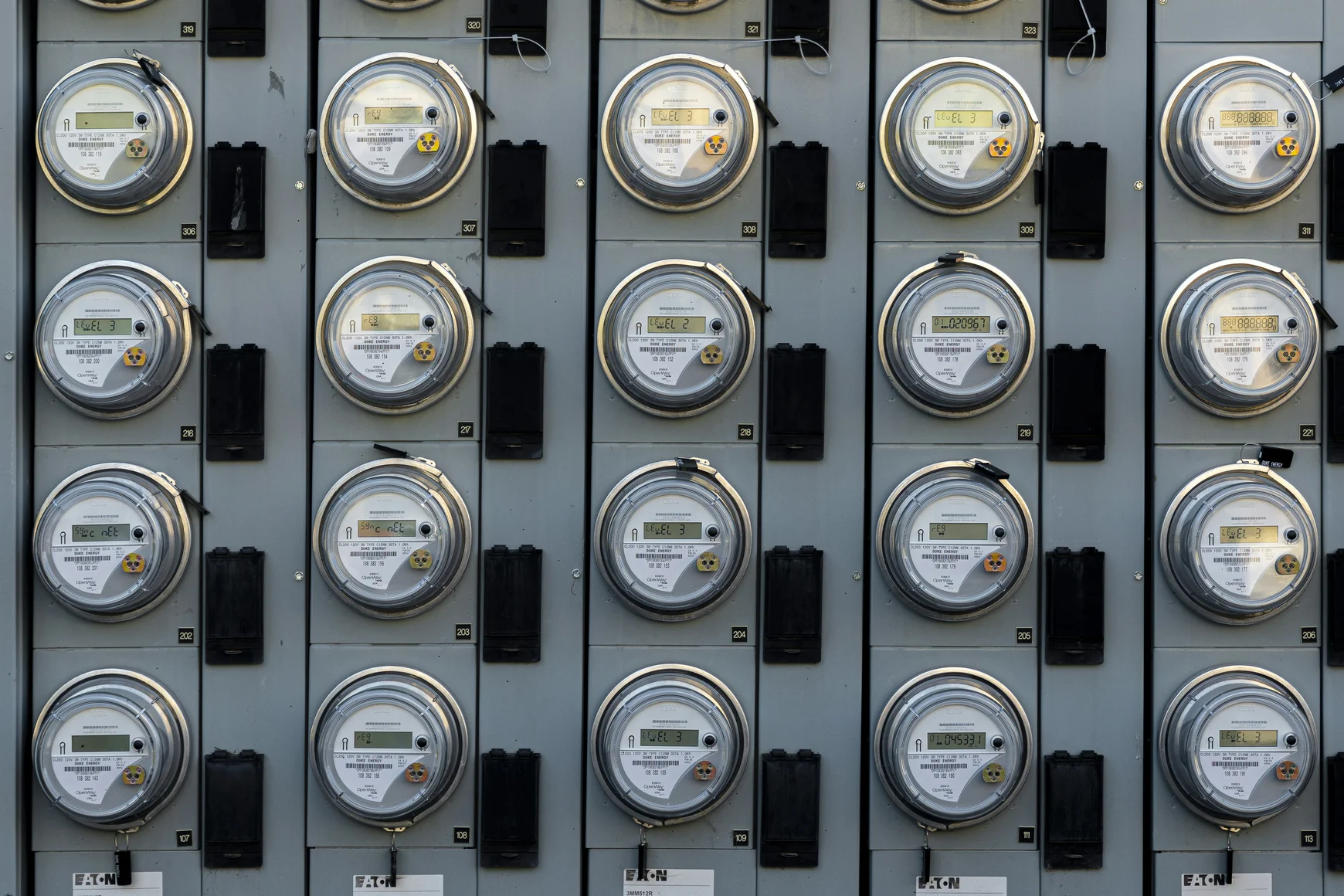
Work near the point where utility power reaches a property needs clear responsibilities and a coordinated sequence. Guardian reviews meter-base and service-entrance repairs, replacements and planned changes as part of the property’s electrical supply.
On this page: Project details · Common questions
Assess demand and equipment
Review existing loads, service ratings and the condition of the panel or service equipment.
Plan the supply and interruption
Define equipment ratings, feeder routes and any utility-controlled disconnection before scheduling.
Confirm scope, permits and scheduling
We identify permit and inspection requirements for the property jurisdiction. Utility coordination is included when the work affects its equipment or supply. You receive the proposed scope before approving the work.
Complete the work and check operation
We complete the agreed electrical work, test the relevant installation and explain operation, findings and any follow-up. Required official inspections are a separate part of completion.
For meter box repair, describe visible damage or the reported issue and identify the serving utility. Do not remove seals or open the equipment to gather information. Guardian reviews property-side electrical work and the utility coordination required before agreeing the scope and schedule.
The meter measures electricity use. The meter socket or base supports its connection, while service-entrance equipment and conductors form part of the supply arrangement serving the property. Ownership and work responsibilities depend on the provider and installation; they should be confirmed rather than assumed.
Tell us whether the request follows damage, an inspection concern, relocation plans, new construction or a proposed service upgrade. Share the address, electric provider and any notice already received. Meter billing questions and a neighborhood outage belong with the utility; repairs to customer-responsibility equipment may involve an electrician.
Different providers publish their own equipment and installation requirements. For example, Santee Cooper provides approved meter-base information and installation specifications. Guardian reviews the requirements for the utility actually serving your address before selecting equipment or agreeing on a work sequence.
Disconnection, electrical work, required inspection release and reconnection need to be coordinated where applicable. A requested date does not reserve utility service or guarantee reconnection at a particular time. Include any case number or written requirements so the parties can work from the same information.
A damaged meter socket may need a repair or replacement at the existing service capacity. Moving a meter changes routing and may affect the utility’s approved location and access. Increasing capacity requires a review of the supply, service conductors, disconnects, distribution equipment and the utility connection; a new meter base alone does not accomplish it.
Overhead service may involve a mast, attachment point and weather-exposed conductors, while an underground supply can involve different conduit and excavation responsibilities. The utility determines its side of the work. Guardian defines the customer-side electrical scope and coordinates it against the provider’s requirements for the address.
Keep away from loose service equipment, damaged conductors and downed lines. Do not touch, remove a meter or open sealed or protective equipment for a photograph. Report immediate hazards to the utility and emergency services as appropriate; contact Guardian about the customer-side repair once safe access and responsibilities can be established.
Ownership and maintenance responsibilities depend on the utility and installation. The meter and the socket can have different responsibilities. We confirm the provider’s requirements before assigning the repair.
Reconnection can depend on both inspection release and the utility’s schedule. We coordinate the sequence and communicate the plan, but cannot promise another organization’s response time.
Meter handling and authorization follow the serving utility’s process. Guardian coordinates the permitted scope; a website request does not authorize a customer to remove a meter or its seal.
Not automatically. Repair or replacement and increasing service capacity are separate decisions. Share planned electrical loads so the complete supply can be reviewed.
Start with the electric bill or property account information. Our utility guide links provider resources; a town name alone is not enough to confirm which utility serves an individual address.
Guardian offers free quotes for planned projects. A fault-finding visit or service call can involve a diagnostic charge, explained before booking. Access, equipment requirements and the work identified determine the proposed repair or installation scope.
Share the property address, the problem or project you have in mind, and equipment details when available. Photos of accessible equipment and the work area can help us plan the next step. Do not remove electrical covers or expose wiring to take photographs.
Guardian Electrical Contractors LLC is based in Myrtle Beach and serves Horry and Georgetown counties. SC CLM.119159 · Insured and bonded · Veteran-owned.
Project quotes are free. Diagnostic and service-call charges are explained before booking. Calls are answered 24/7; call to confirm availability and scheduling.
For service work in Myrtle Beach, North Myrtle Beach or Georgetown, send the full address and utility provider shown on your bill. The property and supply arrangement determine the relevant coordination; a mailing city alone is not enough.
Guardian serves Myrtle Beach, Conway, Carolina Forest and communities across Horry and Georgetown counties. See how quotes and diagnostic visits work, our credentials and project planning guides before arranging the next step.