207 Atlas Drive, Myrtle Beach, SC 29579
Calls answered 24/7
Large homes, substantial electric equipment and growing businesses need a service plan built around demand, distribution and the utility—not a panel-size guess.
On this page: Project details · Common questions
Assess demand and equipment
Review existing loads, service ratings and the condition of the panel or service equipment.
Plan the supply and interruption
Define equipment ratings, feeder routes and any utility-controlled disconnection before scheduling.
Confirm scope, permits and scheduling
We identify permit and inspection requirements for the property jurisdiction. Utility coordination is included when the work affects its equipment or supply. You receive the proposed scope before approving the work.
Complete the work and check operation
We complete the agreed electrical work, test the relevant installation and explain operation, findings and any follow-up. Required official inspections are a separate part of completion.
Multiple large electric loads, extensive additions or significant business equipment can justify a larger-service assessment. The useful question is what needs to operate together and what is planned later. A property size or appliance count alone is not a complete design. Guardian reviews the equipment and supply before comparing an upgrade with other workable options.
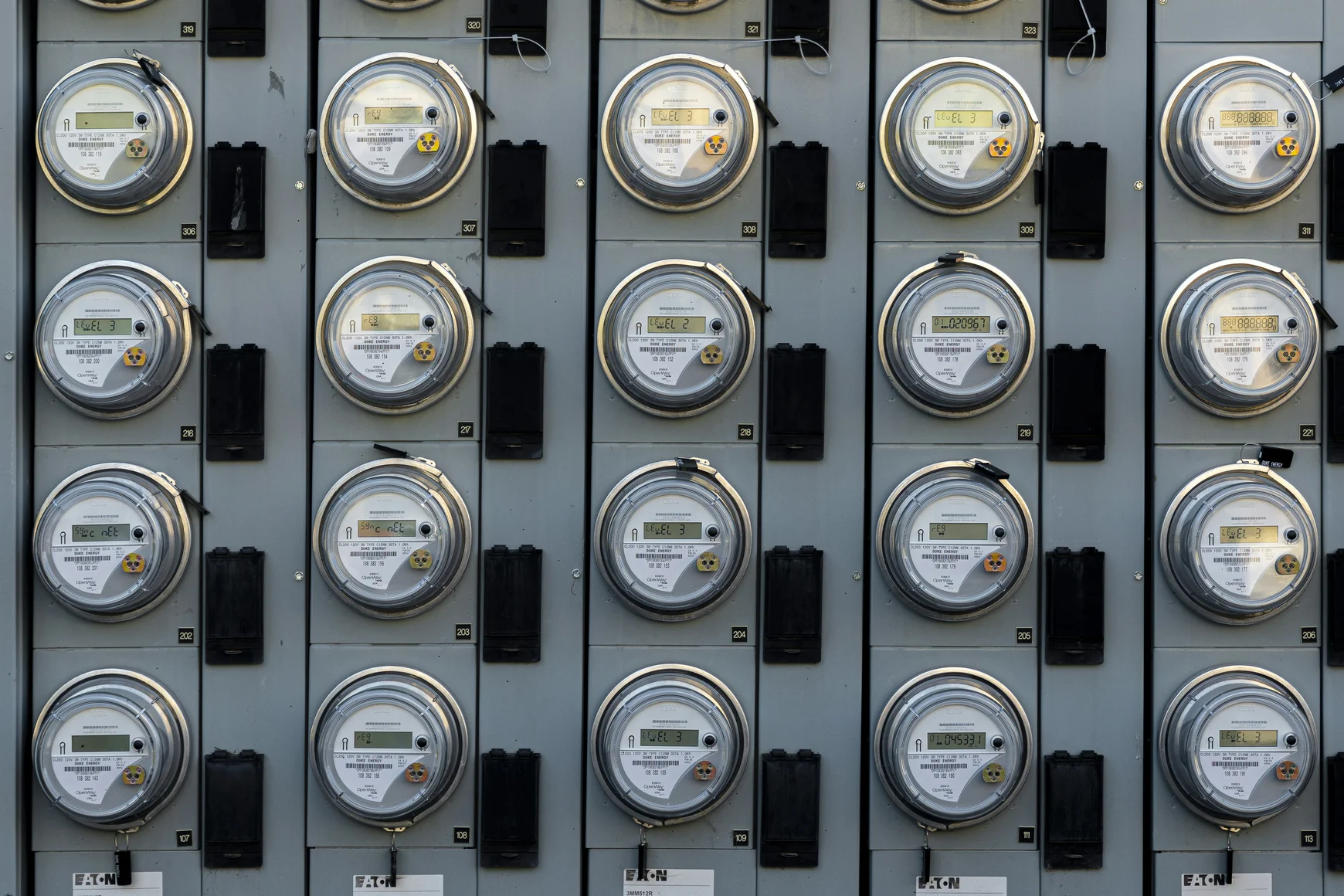
Larger installations can distribute power through multiple disconnects and panels. Two panels labeled 200 amps do not, by themselves, establish a 400-amp supply. The upstream service, protection and connected-load design matter. Some equipment described as a 400-amp residential arrangement uses Class 320 metering; equipment ratings and utility acceptance must be checked for the actual configuration.
A larger residential supply is not automatically three-phase power. Commercial equipment may need a specific voltage and phase, and the utility must confirm what is available at the address. Commercial distribution planning considers those requirements along with equipment loads, shutdowns and future expansion.
The project may need different meter equipment, service conductors, underground routes or utility infrastructure review. Space, access, easements and inspection sequencing can influence the work. Utility-owned equipment is handled through the utility or its authorized process. We identify that boundary rather than treating a transformer change as an ordinary customer-side electrical task.
Compare proposals by the complete scope: equipment, connections, permit coordination, testing, interruptions and restoration. A larger-service project deserves a site assessment and written plan; it cannot be accurately priced from an amperage label alone.
No. A suitable existing service, load management or different equipment selections may meet the goal. An oversized project can add cost without addressing the real issue.
No. Photographs help establish the existing arrangement, but utility review and an electrical assessment are needed to confirm the proposed supply.
A larger panel does not by itself increase the capacity of the incoming electrical service. The utility supply, meter equipment, conductors and protective devices must support the proposed arrangement. Main service lugs, the terminals where incoming power connects, may remain live with the main breaker off; keep covers closed.
The required power interruption depends on the equipment and scope. We identify affected circuits, safe isolation arrangements and any utility-controlled disconnection before scheduling. Tell us about medical equipment, refrigeration and occupied business operations.
Guardian offers free quotes for planned projects. A fault-finding visit or service call can involve a diagnostic charge, explained before booking. Access, equipment requirements and the work identified determine the proposed repair or installation scope.
Share the property address, the problem or project you have in mind, and equipment details when available. Photos of accessible equipment and the work area can help us plan the next step. Do not remove electrical covers or expose wiring to take photographs.
Guardian Electrical Contractors LLC is based in Myrtle Beach and serves Horry and Georgetown counties. SC CLM.119159 · Insured and bonded · Veteran-owned.
Project quotes are free. Diagnostic and service-call charges are explained before booking. Calls are answered 24/7; call to confirm availability and scheduling.
For service work in Myrtle Beach, North Myrtle Beach or Georgetown, send the full address and utility provider shown on your bill. The property and supply arrangement determine the relevant coordination; a mailing city alone is not enough.
Guardian serves Myrtle Beach, Conway, Carolina Forest and communities across Horry and Georgetown counties. See how quotes and diagnostic visits work, our credentials and project planning guides before arranging the next step.